Understanding Backyard Cottage Construction
As the housing market evolves and more Seattle residents look for innovative ways to accommodate their growing needs, the concept of backyard cottages has gained significant traction. These compact, self-contained living spaces not only provide additional room for families but also present a viable solution for increasing property value and generating rental income. Additionally, the environmental benefits of building sustainable living units make them even more appealing. When exploring options, backyard cottage construction offers comprehensive insights into crafting a space that fits your lifestyle while adhering to local regulations and aesthetic guidelines.
What is Backyard Cottage Construction?
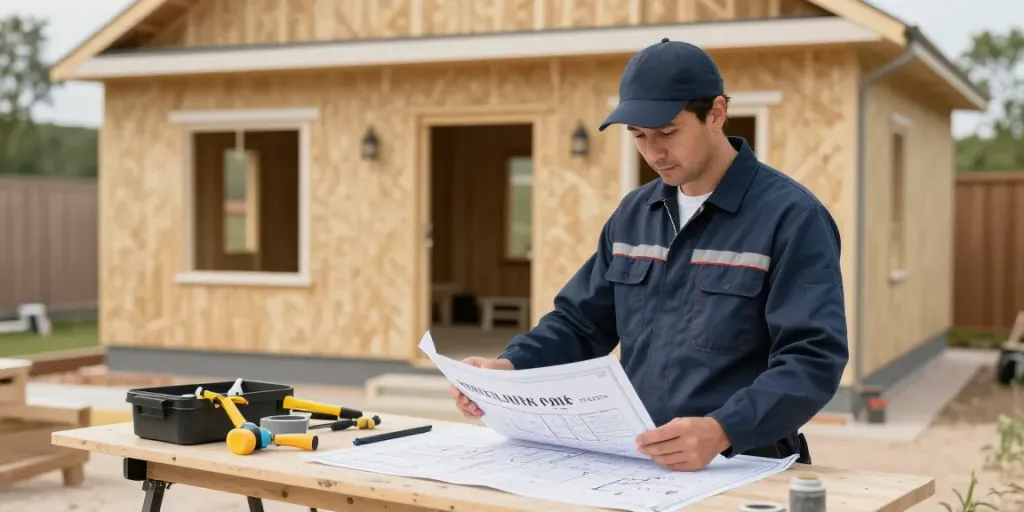
Backyard cottage construction refers to the planning and building of Accessory Dwelling Units (ADUs) or Detached Accessory Dwelling Units (DADUs) within the backyard area of a residential property. These structures are typically smaller than the primary home and can be designed to serve various purposes, including guest accommodations, home offices, or as rental units. The construction process often involves careful consideration of zoning laws, architectural design, and compliance with local building codes to ensure that the project meets all legal requirements.
The Benefits of Adding a Cottage to Your Property
Investing in a backyard cottage brings a myriad of benefits to homeowners in the Greater Seattle area. Here are some notable advantages:
- Additional Living Space: A backyard cottage provides extra room for family members or guests without the need to move to a larger property.
- Rental Income: By renting out your ADU, you can create a continuous stream of passive income, which can significantly contribute to mortgage payments or household expenses.
- Multigenerational Living: These cottages are ideal for accommodating elderly family members or young adults, promoting closeness while preserving independence.
- Increased Property Value: Well-designed ADUs enhance the overall value of your property, making it more appealing to future buyers.
- Sustainable Living: Many new constructions focus on sustainable practices, enabling you to minimize your carbon footprint and embrace eco-friendly living.
Types of Backyard Cottages and Their Uses
Backyard cottages can take on various forms based on the purpose you envision for the space. Here are some common types:
- Guest Houses: Perfect for accommodating friends and family during their visits, ensuring privacy for both guests and homeowners.
- Home Offices: With remote work on the rise, many choose to convert their backyard cottages into dedicated office spaces that allow for productivity outside the main home.
- Rental Units: Legal ADUs can provide an excellent opportunity for homeowners to generate income, especially in highly sought-after neighborhoods.
- Art or Music Studios: These structures can also serve as creative spaces for artists or musicians, providing an inspiring environment away from the distractions of the main household.
Choosing the Right Contractor for Your Backyard Cottage
Selecting a reputable contractor is crucial for the successful execution of your backyard cottage project. Here are some key considerations:
Questions to Ask Potential Contractors
When interviewing potential contractors, consider asking the following questions:
- What is your experience with backyard cottage construction?
- Are you licensed, bonded, and insured to operate in the Seattle area?
- Can you provide references or testimonials from previous clients?
- What is your estimated timeline for completion of the project?
- How will you handle the permitting and compliance aspects of construction?
Evaluating Experience and Previous Projects
It’s essential to evaluate the contractor's track record. Review their portfolio of completed projects to gauge their expertise in designing and building backyard cottages similar to what you envision. Look for elements such as quality workmanship, attention to detail, and innovative design solutions that align with your tastes.
Importance of Licensed and Insured Professionals
Working with licensed and insured contractors is not just a legal necessity but also a safeguard for your investment. Proper licensing guarantees that the contractor adheres to local building codes and industry best practices. Insurance provides protection against accidents or damages that may occur during construction, offering peace of mind for homeowners.
Pricing Guide for Backyard Cottage Construction
Understanding the costs associated with backyard cottage construction is critical for budgeting and planning. Here’s a comprehensive breakdown of what to expect:
Cost Breakdown: Materials and Labor
The overall cost of your backyard cottage will depend on various factors, including materials, labor, and the complexity of the design. On average, you can expect:
- Basic ADU Construction: Starts around $100,000 to $150,000, depending on size and finishes.
- High-End Custom Builds: May range from $150,000 to $300,000 or more based on design elements, materials, and labor costs.
Additional Expenses: Permits and Approvals
In addition to construction costs, homeowners should factor in the expenses related to obtaining necessary permits and approvals. This may include:
- Zoning and Building Permits: Costs vary by jurisdiction, typically ranging from $1,000 to $3,000.
- Site Preparation: Clearing, grading, and utility connections can add $5,000 to $15,000 to your overall project costs.
Average Costs in Greater Seattle Area
The Greater Seattle area often sees higher construction costs compared to other regions due to demand. As such, homeowners should prepare for potential variances in pricing based on location, with average costs seen at:
- South Seattle: $120,000 to $175,000
- North Seattle: $130,000 to $200,000
- Eastside: $150,000 to $300,000
Pertinent Regulations for Backyard Cottages
Before moving forward with your backyard cottage project, it’s crucial to understand the local regulations governing ADU construction in Seattle:
Zoning Laws and Building Codes in Seattle
Seattle's zoning laws dictate where ADUs can be built and specify requirements for size, height, and design compatibility with the main home. Make sure to consult the Seattle Department of Construction and Inspections for detailed regulations specific to your property.
Permitting Process Explained
The permitting process for backyard cottages can be complex. Generally, it involves several steps:
- Prepare architectural plans and site maps that adhere to local building codes.
- Submit your plans along with a building permit application to the city.
- Await review and approval, typically taking four to six weeks.
- Once approved, obtain inspections throughout the construction process to ensure compliance.
Homeowner Responsibilities for Compliance
Homeowners must take an active role in ensuring compliance with zoning laws and building codes. This includes maintaining accurate records of all permits and agreements, adhering to construction timelines, and being available during inspections to address any potential issues.
Customer Experiences and Testimonials
Reading about real experiences can provide valuable insights into the backyard cottage construction process. Here’s what some clients have shared:
Real Client Experiences with Backyard Cottages
Many homeowners have found the addition of a backyard cottage to be transformative. For instance, one family in Seattle highlighted how their new ADU became a rental unit that covered half their mortgage, while another created a multi-generational living space that strengthened family ties.
Before and After Projects Showcase
Visual transformations speak volumes. Homeowners should evaluate potential contractors based on before and after project galleries, which showcase the quality and scope of work performed. Look for contractors that feature diverse styles and creative solutions.
Feedback on Design and Construction Processes
Positive feedback about design and construction experiences can help gauge the reliability of contractors. Satisfied clients often emphasize effective communication, adherence to timelines, and the ability to manage unexpected challenges during the construction process effectively.