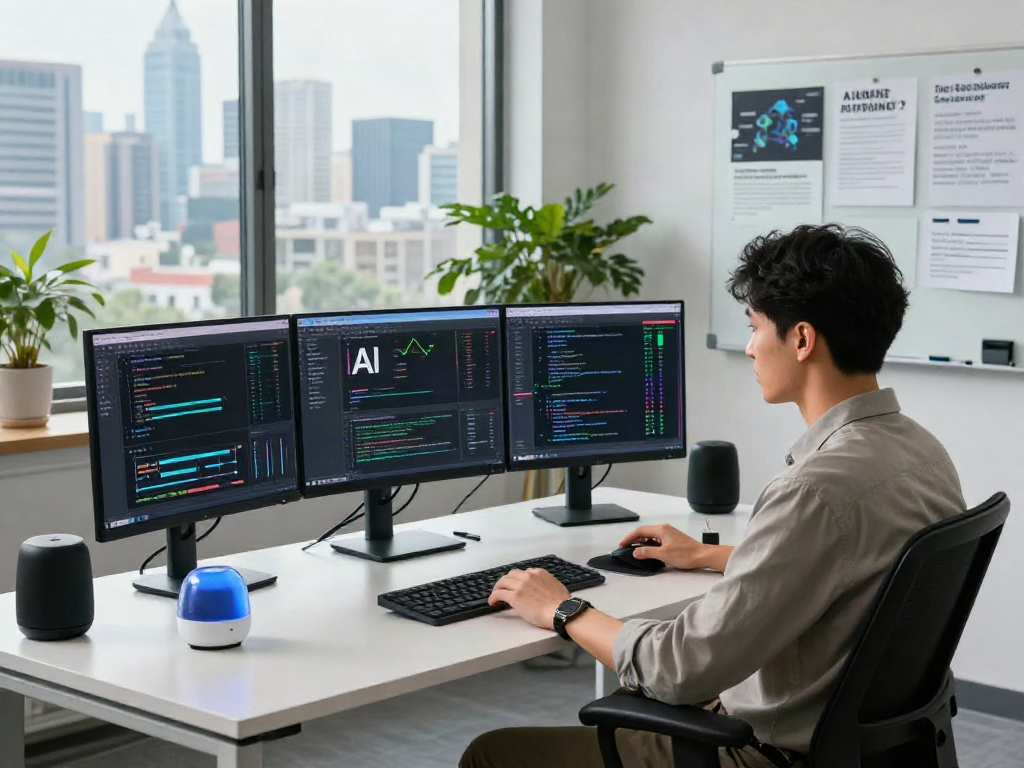
Understanding AI Detection Technologies
As artificial intelligence (AI) continues to evolve, the need for AI detection technologies has become critical. From educational institutions safeguarding academic integrity to businesses ensuring the authenticity of their content, the implications of AI-generated material are profound. The rise of sophisticated AI writing models has necessitated the development of advanced AI detection solutions that can differentiate between human and machine-generated text. When exploring options, AI Detection offers comprehensive insights into these technologies and their applications.
What is AI Detection?
AI detection refers to the process of identifying whether content has been generated by an artificial intelligence model or a human author. This is achieved through various technologies and methodologies that analyze textual patterns, structure, and other linguistic features that typically vary between human and AI-generated text. The primary goal is to ensure content authenticity and prevent misuse of AI-generated materials, which can mislead or manipulate information.
The Evolution of AI Detection Techniques
The landscape of AI detection has evolved significantly over the years. Initially, generic keyword detection was sufficient, primarily focusing on identifying specific phrases associated with AI-generated content. However, as AI models became more advanced, detection techniques shifted towards sophisticated algorithms that analyze deep learning patterns and linguistic nuances. These advancements have been driven by the necessity to keep pace with AI's rapid evolution.
Key Players in the AI Detection Landscape
Numerous companies and platforms have emerged as frontrunners in the AI detection space. Notable players include:
- ZeroGPT - Known for its reliable detection of various AI-generated writing, including content from ChatGPT and GPT-5.
- QuillBot - Offers a free AI checker that evaluates text based on sentence structure and predictability.
- GPTZero - Provides quick assessments of AI-generated texts, emphasizing user-friendliness and accuracy.
- Originality.ai - Focuses on identifying AI-generated content, particularly in academic and professional settings.
Market Trends in AI Detection for 2026
The market for AI detection tools is seeing significant growth, propelled by increasing demands across various sectors. Companies are looking to ensure the reliability and authenticity of their content, especially with AI's pervasive influence on information dissemination.
Emerging Technologies Driving AI Detection
Innovations in machine learning are at the forefront of AI detection advancements. Key technologies include:
- Natural Language Processing (NLP) - Enhancing the ability to understand context and subtleties in language.
- Deep Learning Models - These algorithms analyze larger datasets to recognize patterns and anomalies specific to AI-generated content.
- Real-Time Analytics - Tools that offer immediate feedback on content authenticity, significantly aiding content creators.
Comparative Analysis of AI Detection Tools
A comparative analysis reveals distinct features and limitations among various AI detection tools. For instance:
- Accuracy: Tools like Originality.ai boast over 99% accuracy in detecting AI-written content.
- User Experience: Platforms such as GPTZero emphasize simplicity, catering to users with minimal tech knowledge.
- Industry Focus: Certain tools are tailored for specific industries, like education or marketing, enhancing their effectiveness in niche applications.
Forecasting the Future of AI Detection
With the rapid advancement of AI technologies, the future of AI detection will likely involve more sophisticated and nuanced systems. Predictions for 2026 include integration with broader content management systems and enhanced user interfaces that cater to diverse audiences, from educators to corporate professionals.
Challenges in AI Detection
Despite the advancements, several challenges hinder the widespread adoption and effectiveness of AI detection technologies.
Common Misconceptions About AI Detection
There are prevalent misconceptions surrounding AI detection. One common myth is that AI detection is infallible; however, it is crucial to understand that false positives and negatives can occur, necessitating human oversight in critical applications.
Addressing Accuracy and Reliability Issues
Accuracy remains a pressing challenge, as AI-generated texts continue to improve in quality and complexity. Continuous updates and training of detection models are essential to maintain high reliability rates.
Overcoming Resistance in Adoption
Many organizations are hesitant to adopt AI detection tools due to perceived costs and potential disruptions to existing workflows. Addressing these concerns with clear demonstrations of the tools' value can encourage broader acceptance.
Best Practices for Implementing AI Detection
Implementing AI detection technologies effectively requires strategic planning and execution. Below are recommended best practices.
Steps to Integrate AI Detection in Workflows
Integrating AI detection into existing workflows involves several steps:
- Evaluation: Assess current content processes to identify where AI detection can add value.
- Selection: Choose the most suitable detection tool based on organizational needs and context.
- Training: Provide comprehensive training for teams to effectively utilize detection technologies.
- Feedback Loop: Establish a feedback mechanism to continuously enhance the detection process.
Evaluating AI Detection Tools Effectively
When selecting an AI detection tool, consider factors such as:
- Accuracy Rates: Review user testimonials and third-party evaluations to gauge performance.
- Ease of Use: Ensure the interface is intuitive and accessible for all team members.
- Support and Resources: Verify that the provider offers adequate customer support and training resources.
Training Teams for AI Detection Success
Training is crucial. Organizations must invest in educating their teams not only on using the tools but also on understanding AI technologies' broader implications, including ethical considerations surrounding AI-generated content.
Case Studies and Real-World Applications
Examining real-world applications provides valuable insights into the efficacy of AI detection technologies.
Success Stories: Organizations Using AI Detection
Several organizations have successfully integrated AI detection into their operations. For example, a leading educational institution adopted AI detection tools to maintain academic integrity, resulting in a 30% reduction in plagiarism cases. Similarly, media companies have utilized detection tools to vet content authenticity before publication, ensuring their reliability.
Learning from Failures: What Not to Do
Conversely, some organizations have struggled with AI detection, particularly when they ignored the need for ongoing training and adaptation. A notable example involves a tech startup that implemented a detection tool without adequately training its staff, leading to widespread misuse and misunderstandings of the technology’s capabilities.
Industry-Specific Applications of AI Detection
Different industries are harnessing AI detection in unique ways:
- Education: Universities are employing AI detection tools to uphold academic honesty, particularly in essay submissions.
- Publishing: Publishers are using these tools to verify content originality, enhancing trust with their readers.
- Marketing: Marketing agencies apply AI detection to ensure crafted content aligns with brand voice and values.
What are the most popular AI detection tools?
Several tools have gained popularity, including ZeroGPT, QuillBot, and Originality.ai, each offering unique features tailored to different needs and sectors.
How accurate are AI detection systems?
Accuracy rates for modern AI detection tools vary but can reach upwards of 99% for some solutions, depending on the context of usage and the specificity of the models deployed.
Can AI detection tools be used in various industries?
Indeed, AI detection tools are versatile and can be applied across various industries, from education and publishing to marketing and content creation, demonstrating their broad applicability.
What challenges do companies face with AI detection?
Companies face challenges such as resistance to adoption, the accuracy of detection tools, and the need for ongoing training and updates to keep pace with rapidly evolving AI technologies.
How do trends in AI detection evolve over time?
Trends in AI detection reflect the advancements in AI technologies themselves, leading to increasingly sophisticated detection capabilities, enhanced user interfaces, and greater integration into organizational workflows.