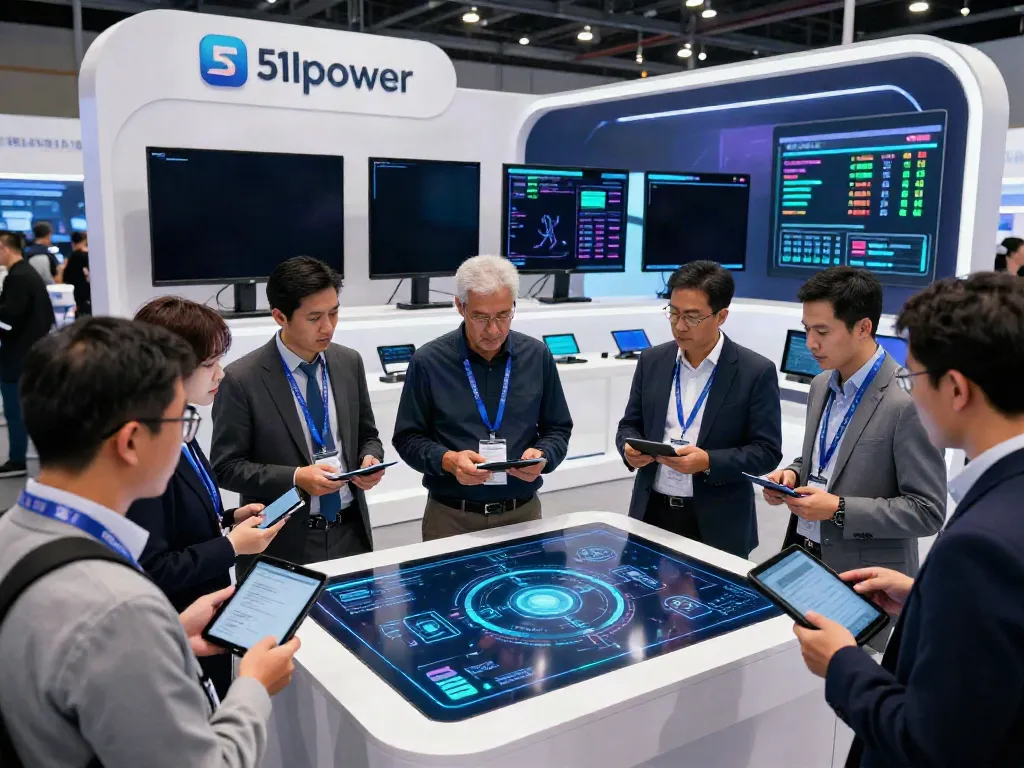
Understanding AI Tokens in the AI Ecosystem
As the AI landscape continues to evolve, the foundation of its operational efficiency increasingly hinges on a crucial element: AI tokens. These tokens serve as the backbone of AI's data processing capabilities, enabling seamless interaction between input and output across various artificial intelligence applications. When exploring options, what are AI tokens is a fundamental question, particularly for those looking to grasp their implications in the AI token economy. In this comprehensive guide, we will delve deep into the functionalities, calculations, and broader economic impacts of AI tokens, shedding light on their importance and future developments.
What are AI Tokens?
AI tokens are defined as the smallest units of data that AI models process, analyze, and produce. They can represent various forms of data—words, phrases, or even fragments of sentences—depending on the context of their application. In the world of large language models (LLMs) and other AI systems, tokens play a pivotal role in transforming queries into actionable insights and outputs. For instance, a typical conversation might break down into multiple input tokens, each requiring specific computational resources to generate a coherent response.
The Role of AI Tokens in Data Processing
Each time a user engages with an AI system, such as asking a question or requesting information, the input is converted into tokens. These tokens are then processed through robust GPU infrastructures, allowing the model to execute complex algorithms and yield output tokens that represent the answer or action. The efficiency and effectiveness of this process largely depend on the available computational power and the energy that supports it, which in turn is incentivized through the AI token economy.
How AI Tokens Influence AI Workloads
AI tokens significantly influence how AI workloads are managed and executed. The number of tokens processed directly correlates to the computational demands placed on AI systems. For example, a high-volume query may require more tokens and thus more energy, leading to higher operational costs. Understanding this relationship is critical for participants in the AI token economy, especially in choosing appropriate power plans that maximize their contributions.
How AI Tokens are Calculated and Measured
The calculation and measurement of AI tokens are pivotal for assessing performance and efficiency in AI systems. The process begins with the definition of token metrics, which outlines how tokens are generated and utilized throughout various AI tasks.
Understanding Token Metrics
Token metrics encompass various factors, including the number of input tokens required for a specific task, the computational resources allocated, and the energy consumption involved in processing those tokens. By analyzing these metrics, stakeholders can gain insight into the operational efficiency of AI models and identify areas for improvement.
Input and Output Tokens Explained
In AI processing, input tokens are the data points that users submit, while output tokens are the results generated by the model. For instance, if a user inputs a question into a chatbot, the text is converted into input tokens. The model processes these tokens and returns a structured response represented by output tokens. This input-output dynamic is essential for measuring the effectiveness of AI systems and determining the appropriate energy and computational support required.
Real-world Examples of Token Calculation
To comprehend AI token calculation, consider a scenario where an AI model receives a request comprising 100 tokens. If it takes one kilowatt-hour (kWh) of electricity to process this request, participants in the AI token economy could estimate their contributions based on the energy invested and the volume of tokens processed. With clear metrics in place, participants can monitor their contributions and adjust their power plans as necessary.
The Economic Impact of AI Tokens
AI tokens not only serve as units of measurement for data processing but also play a vital role in the broader economic environment surrounding AI technologies. Their influence extends to pricing models, contribution rewards, and the payment structures within the AI token economy.
How AI Tokens Affect Service Pricing
The price of AI services often correlates with the number of tokens processed. As demand for AI services grows, the price per token may increase, reflecting the resources and energy required to deliver high-quality outputs. Organizations employing AI technology must remain vigilant about these changes to ensure they remain competitive in the market.
Contribution Rewards System Explained
The contribution rewards system is designed to allocate profits based on participants’ contributions to the AI economy. By investing in AI Infrastructure Power Plans, individuals and organizations can earn rewards proportional to the tokens they help process. This system encourages participation and ensures that resource allocation aligns with actual demands.
Understanding the Payment Structure in AI Token Economy
The payment structure in the AI token economy is rooted in transparency and accountability. Participants receive detailed records of their contributions, including energy usage and token processing activities. Understanding this structure is crucial for engaging meaningfully with AI infrastructure services and maximizing returns on investment.
Challenges and Misconceptions about AI Tokens
Despite the growing importance of AI tokens, several challenges and misconceptions hinder participation and understanding in the AI token economy.
Common Misunderstandings
One prevalent misunderstanding is equating AI tokens with cryptocurrencies. In reality, AI tokens function differently; they measure data processing rather than serving as a medium of exchange. Clarifying these distinctions is essential for participants who may mistakenly view tokens as a form of investment.
Overcoming Barriers to Participation
To foster greater engagement with AI infrastructure, it is vital to address the barriers that deter participation, such as lack of knowledge or misapprehensions about token mechanics. Educational initiatives can empower potential participants, helping them navigate the complexities of the AI token economy with confidence.
Best Practices for Token Utilization
Implementing best practices for token utilization can significantly enhance operational efficiency. Key practices include choosing the appropriate AI Infrastructure Power Plan based on specific needs, monitoring token metrics regularly, and adapting to changing conditions within the AI ecosystem. By employing these strategies, participants can optimize their contributions and maximize rewards.
The Future of AI Tokens in 2026 and Beyond
As we look ahead to 2026 and beyond, the landscape of AI tokens continues to evolve, signaling exciting trends and opportunities for growth.
Emerging Trends in AI Token Mechanisms
Emerging trends include advances in tokenization technology, which can streamline processing and increase efficiency. The integration of AI-enabled systems with blockchain technology may also enhance transparency and trust within the token economy. These developments have the potential to reshape how participants interact with AI infrastructure.
Predictions for the AI Token Economy
Forecasts indicate that the demand for AI tokens will increase as more industries adopt AI technologies. This surge will likely lead to a more structured and regulated token economy, optimizing participation and contribution tracking across different sectors.
How Participants Can Prepare for Future Changes
To succeed in the evolving AI token landscape, participants should stay informed about industry trends, engage in continuous learning, and adapt their strategies accordingly. By being proactive and prepared for changes, participants can position themselves advantageously within the AI token economy.
What Makes 51 AIpower Different in the Token Space?
51 AIpower distinguishes itself in the token space by providing a comprehensive AI infrastructure ecosystem that emphasizes transparency, scalability, and accessibility. Unlike traditional models, 51 AIpower connects power resources with AI factory operations, enabling smoother integration of AI services and rewarding participants for their contributions effectively.
Opportunities for Growth and Collaboration
The AI token economy presents numerous opportunities for growth and collaboration. Participants can leverage shared resources, build partnerships, and collaborate on projects to expand their reach and impact. By embracing a collective approach, stakeholders can enhance their contributions and drive meaningful advancements in the AI landscape.
Final Thoughts: The Path Ahead for AI Tokens
As the AI token economy matures, understanding the intricacies of AI tokens becomes increasingly crucial for all stakeholders involved. By embracing innovation, adapting to changes, and leveraging new opportunities, participants can navigate the evolving landscape and contribute to a more efficient and impactful AI ecosystem.
What Can Users Expect from AI Tokens in the Future?
Looking forward, users can anticipate a more robust, dynamic, and transparent AI token economy. As technologies advance and understanding deepens, individuals and organizations will discover new ways to engage with AI services, contributing to a future rich with possibilities.