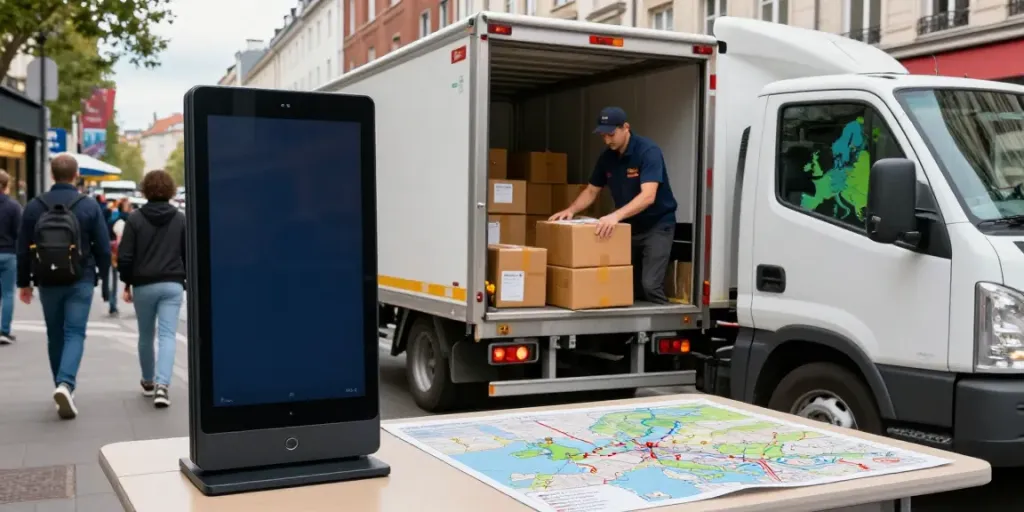
Understanding International Parcel Delivery
International parcel delivery plays a pivotal role in our increasingly interconnected world, enabling seamless trade and personal connections across borders. As businesses and individuals seek to send packages internationally, understanding the nuances of this service is essential. International parcel delivery involves a series of logistical processes that ensure parcels reach their destinations safely and on time. In this article, we will explore the intricacies of international shipping, identify key benefits, and discuss challenges that may arise in this complex landscape.
What is International Parcel Delivery?
International parcel delivery refers to the process of sending packages from one country to another. This service can encompass a range of items, from personal effects and business goods to perishable items and documents. Many factors influence how this process works, including the mode of transport, customs regulations, and package weight.
Key Benefits of Using Professional Services
- Reliability: Professional courier services often provide a higher level of reliability compared to self-managed shipping.
- Speed: Many international delivery services offer expedited options that ensure faster delivery times, ideal for urgent shipments.
- Tracking: Real-time tracking capabilities allow senders to monitor their parcels throughout the shipping process.
- Customs Handling: Experienced courier companies are familiar with international customs regulations and can assist in navigating them efficiently.
Common Challenges in International Shipping
While international parcel delivery offers many advantages, it also presents several challenges:
- Customs Delays: Packages can be held up in customs due to incomplete documentation or issues with import regulations.
- Cost Variability: Shipping costs can fluctuate based on distance, weight, and the chosen service provider.
- Packaging Requirements: Different countries have varied regulations regarding packaging, which can complicate the shipping process.
- Restricted Items: Certain goods may be prohibited or require special permits, complicating the shipping of those items.
Choosing the Right Service Provider
Selecting the right courier for international parcel delivery is crucial for ensuring timely and safe delivery of your items. With numerous options available, here are factors to consider when making your choice.
Factors to Consider When Selecting a Courier
- Reputation: Research the courier’s reputation through customer reviews and ratings.
- Service Options: Ensure they offer services that match your delivery speed and cost requirements.
- Coverage Area: Confirm they deliver to the destination country of your parcel.
- Support Services: Check if they provide customer support for inquiries and tracking assistance.
Comparative Analysis of Leading Companies
When considering international parcel delivery companies, it’s essential to compare their offerings. For instance, major players such as DHL, FedEx, and UPS have established networks providing reliable services. Additionally, regional providers may offer competitive rates, particularly for specific routes.
Evaluating Service Costs and Options
Service costs can vary significantly depending on factors such as speed, destination, and package dimensions. It's beneficial to obtain quotes from multiple providers and evaluate what services best match your needs and budget.
The Process of Sending Parcels Internationally
Understanding the step-by-step process for sending parcels internationally can help streamline your shipping experience. Here’s a breakdown of the vital steps involved.
Step-by-Step Guide to Shipping
- Prepare the Parcel: Properly package your items to prevent damage during transit.
- Complete Necessary Documentation: Fill out customs forms accurately and include any required receipts or invoices.
- Select a Courier: Choose a courier service that meets your requirements in terms of speed, cost, and reliability.
- Pay for Shipping: Calculate and pay for the shipping fees based on the courier's pricing structure.
- Drop Off or Schedule Pickup: Deliver your parcel to the courier’s location or arrange for a pickup.
Understanding Customs and Regulatory Requirements
Customs regulations vary by country and can significantly impact your shipment. It’s crucial to be familiar with these regulations to avoid delays. Detailed and accurate customs documentation is essential for smooth processing.
Packaging Tips for Safe Delivery
- Use Strong Packaging: Invest in good-quality boxes or mailers that can withstand transport.
- Fill Void Spaces: Use packing materials like bubble wrap or packing peanuts to cushion items.
- Label Clearly: Ensure that both the destination and return addresses are clear and legible.
- Adhere to Size Limits: Be aware of size and weight limits imposed by the courier service.
Tracking Your International Shipments
One of the most critical aspects of international parcel delivery is the ability to track shipments in real-time. This feature enhances transparency in the shipping process and provides peace of mind to senders.
Importance of Real-Time Tracking Systems
Real-time tracking systems allow you to obtain updates on your parcel's status, from pickup to delivery. This feature is invaluable for both senders and recipients, as it helps manage expectations regarding delivery times.
How to Use Tracking Tools Effectively
Most courier companies provide tracking numbers that can be entered on their websites or apps. Familiarizing yourself with these tools can lead to better management of your shipments.
Dispute Resolution for Lost or Damaged Packages
In the unfortunate event that a parcel is lost or damaged, it's essential to know how to escalate your issue. Each courier has specific protocols for claims, including timelines for reporting and documentation requirements, so be sure to act quickly and follow their procedures.
Future Trends in International Shipping
The landscape of international parcel delivery is continually evolving, influenced by technological advancements and changing consumer expectations. Here are some trends to watch for in the coming years.
Technological Innovations on the Horizon
From drone deliveries to blockchain technology for tracking, the logistics industry is at the forefront of adopting new technologies that aim to enhance efficiency and transparency.
Environmental Considerations in Logistics
With a growing emphasis on sustainability, many courier companies are developing greener practices, including reducing carbon emissions and using eco-friendly packaging materials.
Expectations for International Shipping by 2026
As the demand for faster international delivery increases, we can expect significant advancements in logistics technology, further automation in warehousing and delivery processes, and more customer-centric shipping solutions.
What are the best ways to send a parcel internationally?
Choosing the best method to send a parcel internationally largely depends on factors like urgency, destination, and cost. Among the most efficient options are using established courier services that offer flexible delivery choices tailored to your needs.
How much does international parcel delivery typically cost?
The cost of international parcel delivery can vary widely based on the granularity of services selected. Generally, costs are influenced by factors such as weight, dimensions, distance, and the urgency of the delivery, making it important to compare quotes from several providers.
What courier services are recommended for international shipping?
Your choice of courier service should be guided by factors like reliability, coverage, and customer service. Established couriers such as DHL, FedEx, and UPS are often recommended for their global reach and robust service options.
How to properly prepare a parcel for international delivery?
To ensure your parcel travels safely, use proper packaging, provide clear labeling, and complete customs forms accurately. Following these steps minimizes delays and increases the chances of successful delivery.
What are common delays faced in international shipping?
Delays may arise due to customs inspections, holiday surges, or unforeseen circumstances such as weather events. Understanding these factors can help in planning shipping timelines effectively.