Understanding the Importance of DPF Reinigung
The Diesel Particulate Filter (DPF) is a critical component in modern diesel engines, tasked with capturing soot and other particulate matter from exhaust gases. Regular maintenance and cleaning of the DPF, known as dpf reinigen, is essential for ensuring optimal vehicle performance and compliance with environmental regulations. The significance of this process cannot be overstated, as neglecting it can lead to increased emissions and costly repairs.
What is a Diesel Particulate Filter?
A Diesel Particulate Filter (DPF) is designed to reduce pollutants from diesel engines. It traps soot particles formed during combustion, preventing them from entering the atmosphere. In recent years, as environmental awareness has grown, regulations around emissions have tightened, making DPFs a standard feature in diesel vehicles. These filters need to be periodically cleaned to maintain engine efficiency and prevent blockages that can lead to engine malfunctions.
Why Regular Cleaning is Essential
The accumulation of particulate matter over time leads to a clogged filter, which can significantly impact engine performance. A clogged DPF can cause issues such as reduced power, increased fuel consumption, and ultimately, engine damage. Regular cleaning not only extends the life of the DPF but also helps in maintaining the overall health of the vehicle. Performing DPF Reinigung ensures that your vehicle runs smoothly and efficiently.
Impact of a Clogged Filter on Vehicle Performance
When the DPF becomes clogged, the vehicle can enter a state of "limp mode," drastically reducing performance to prevent further damage. This can leave drivers frustrated, especially in settings that require quick acceleration or heavy towing. Additionally, a clogged DPF can trigger warning lights on the dashboard, leading to expensive repairs if left unaddressed. To avoid these issues, regular maintenance and timely cleaning of the DPF are crucial.
Common Challenges in DPF Reinigung
Despite the importance of DPF cleaning, many car owners face significant challenges. These can range from misconceptions about the cleaning process to lack of awareness regarding the symptoms of a clogged filter.
Misconceptions About DPF Maintenance
One of the most common misconceptions is that DPFs are maintenance-free. While modern DPFs are designed to regenerate automatically during regular driving, they can still become clogged due to short trips and inconsistent driving conditions. Many drivers mistakenly believe that only professional services can handle DPF cleaning, making them hesitant to seek timely intervention.
Signs Your DPF Needs Attention
Common indicators that your DPF requires cleaning include:
- Warning lights on the dashboard
- Decreased engine power
- Increased fuel consumption
- Strange noises from the exhaust system
Common Errors in DIY DPF Cleaning
Many vehicle owners attempt to clean their DPFs themselves, often leading to mistakes that can exacerbate the problem. Common errors include using inappropriate cleaning agents or failing to follow proper procedures. Such missteps can cause damage to the filter or other engine components, ultimately resulting in more significant repair costs.
Best Practices for Effective DPF Reinigung
Cleaning the DPF effectively requires knowledge of the right methods and tools. Here, we explore the best practices for ensuring your DPF stays in optimal condition.
Choosing the Right Cleaning Method
There are several methods for DPF cleaning, including chemical, mechanical, and thermal cleaning. Each method has its pros and cons, and the choice largely depends on the extent of the clog and the specific vehicle type. Chemical cleaning involves using specialized solutions designed to dissolve soot, while mechanical methods may include back-flushing or ultrasonic cleaning.
Professional vs. DIY Methods: Pros and Cons
While DIY methods can be cost-effective, they often lack the precision and effectiveness of professional services. Professional DPF cleaning services utilize advanced equipment and techniques that can ensure a thorough clean without damaging the filter. Conversely, DIY methods may save time, but they carry a higher risk of errors, leading to further issues down the line.
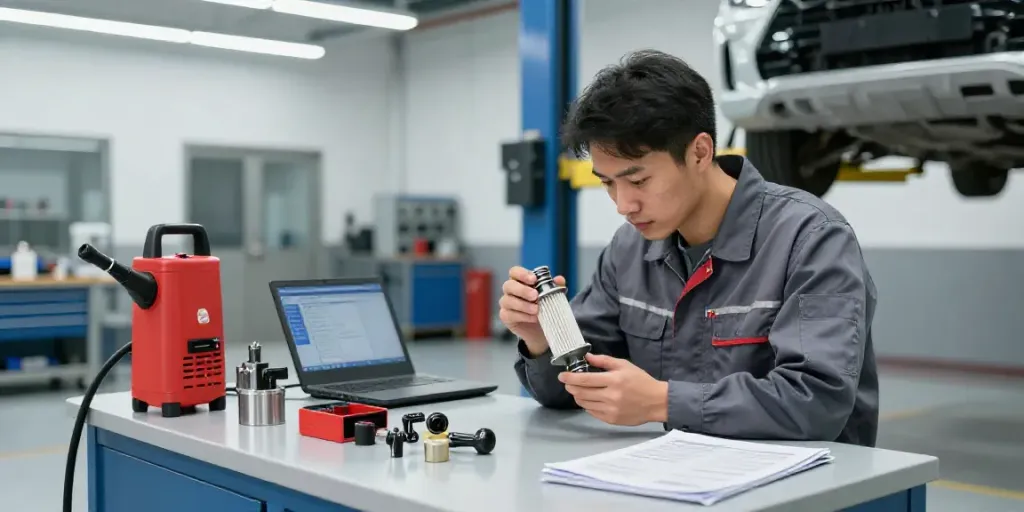
Required Tools and Equipment for Success
If opting for a DIY approach, having the right tools is essential. These may include:
- DPF cleaning kits
- Air compressors
- Protective gear
Real-World Examples and Case Studies
Examining real-world scenarios provides invaluable insights into the importance of proper DPF cleaning and maintenance.
Successful DPF Cleaning Stories from Car Owners
Many car owners have reported significant improvements after having their DPFs cleaned professionally. For example, one owner of a diesel SUV experienced a boost in engine performance and fuel economy after a thorough cleaning, which resolved previously persistent issues.
Impact of Proper Maintenance on Vehicle Longevity
Routine DPF cleaning and maintenance have been shown to extend the life of diesel engines significantly. Vehicles that receive regular attention are less likely to face severe issues, leading to lower overall maintenance costs and better resale value.
Lessons Learned from Common Mistakes
By analyzing common mistakes made by vehicle owners, such as neglecting warning signs or attempting improper cleaning methods, other drivers can learn to take proactive measures. Understanding what not to do is just as critical as knowing the right steps to take.
The Future of DPF Reinigung Techniques
The automotive industry is continually evolving, and so are the techniques employed for DPF cleaning. Innovations in technology are leading to more efficient and effective cleaning methods.
Emerging Technologies in DPF Cleaning
Technological advancements, such as the development of high-precision cleaning equipment and eco-friendly cleaning solutions, are changing the landscape of DPF maintenance. These new methods promise not only to reduce cleaning times but also minimize environmental impact.
Future Trends to Watch in Vehicle Maintenance
As the automotive industry moves towards greener technology, we can expect to see more emphasis on alternative fuel vehicles and their particulate filter systems. Keeping abreast of these trends will be essential for vehicle owners wishing to maintain compliance and efficiency.
Tips for Staying Ahead in Automotive Care
Staying informed about the latest DPF cleaning methods and technologies can assist vehicle owners in making better decisions regarding maintenance. Regular check-ups and consultations with professionals can help identify potential issues before they become serious problems.
What is DPF regeneration?
DPF regeneration refers to the process of burning off the accumulated soot within the filter to restore its function. This can happen naturally during regular engine use or may require active intervention through various cleaning methods.
How can I clean my DPF filter myself?
While it is possible to clean your DPF filter at home, it is crucial to follow the correct procedures and use appropriate tools to avoid damaging the filter. Investing in a quality cleaning kit and following manufacturer guidelines is vital for success.
What does DPF cleaning cost?
The cost of DPF cleaning varies depending on the cleaning method and service provider. On average, professional cleaning services can range from $100 to $300, depending on the vehicle type and complexity of the procedure.
Is DPF cleaning really necessary?
Yes, regular DPF cleaning is necessary to ensure the longevity and performance of diesel engines. Neglecting this crucial maintenance can lead to severe engine problems and increased emissions, ultimately costing owners more in the long run.