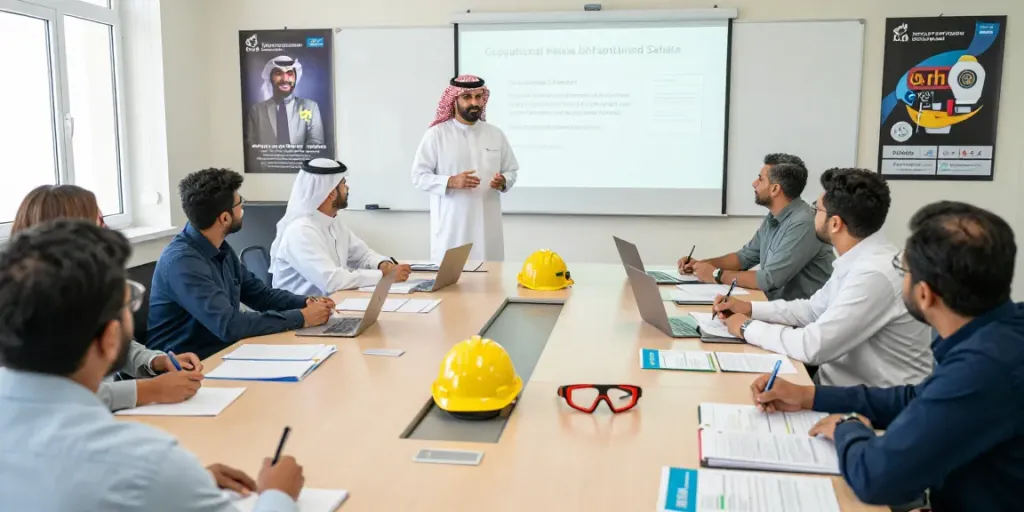
Understanding the Importance of Choosing the Right Training Institute in Saudi Arabia
In today's rapidly evolving job market, especially in health, safety, and environmental (HSE) sectors, selecting the right training institute is more crucial than ever. With numerous options available, professionals must understand the various factors that differentiate a reputable institute from the rest. This choice can significantly influence career advancement, compliance with safety regulations, and overall job performance. When exploring options, Training Institute Saudi Arabia provides comprehensive insights into available programs, qualifications, and the level of training quality.
Why Quality Matters in HSE Training Programs
Quality training programs are paramount in HSE fields where safety and compliance are non-negotiable. High-quality training ensures that employees are not only aware of safety protocols but are also proficient in implementing them on-site. Poor training can lead to accidents, legal issues, and financial losses. Effective programs typically incorporate real-world scenarios into their curriculum, allowing participants to practice what they’ve learned in a safe environment and ensuring that they retain the information better.
Evaluating Accreditation and Certifications Offered
When assessing HSE training institutes, it's essential to consider their accreditation status. Recognized certifications, such as those from the National Fire Protection Association (NFPA) or ProQual (UK), enhance the credibility of the training program. Moreover, accredited programs ensure that the training meets industry standards and equips professionals with the necessary skills to perform effectively in their roles. Accreditations can help potential employers gauge the quality of training received by candidates and ensure compliance with local and international regulations.
Key Features of a Reliable Training Institute
- Experienced Instructors: Look for institutes that employ experienced trainers with industry backgrounds. Their real-world experience can provide invaluable insights and practical knowledge.
- Comprehensive Curriculum: The best institutes offer a wide range of courses, from basic HSE training to advanced certifications like the NVQ Level 6 Diploma in Occupational Health and Safety Practice.
- Flexible Learning Options: A reliable training institute provides multiple learning formats, including on-site training, online courses, and webinars to cater to the needs of diverse learners.
- Positive Student Feedback: Reviews and testimonials from past students can provide insights into the effectiveness of the training and the overall experience at the institute.
Common Challenges Faced by Students in HSE Training
Despite the availability of many training options, students often face various challenges that can hinder their learning experience. Identifying these issues is crucial for both learners and training providers.
Identifying Outdated Training Methods
One significant challenge in HSE training is the use of outdated teaching methods. Some institutes fail to keep up with the latest industry practices and technological advancements, leading to a gap in knowledge and skills. This can result in unsatisfactory training outcomes and a lack of preparedness for real-world scenarios.
Assessing the Relevance of Course Content to Industry Needs
It's essential for training programs to reflect current industry standards and practices. Outdated or irrelevant course content may not adequately prepare students for the challenges they will face in the field. Therefore, prospective students should thoroughly examine course curriculums to ensure they align with the latest developments and regulations in their specific industries.
Understanding the Importance of Hands-On Training
Another common challenge is the insufficient emphasis on hands-on training. While theoretical knowledge is important, practical experience is vital in HSE training. Students must be able to apply what they've learned in real-life situations, which helps solidify their understanding and builds their confidence in managing safety and health issues.
Best Practices for Selecting HSE Training Programs
Choosing the right HSE training program involves careful consideration of various factors. By following best practices, individuals can ensure they make an informed decision.
Researching Institute Reputation and Student Feedback
Before enrolling, potential students should research the reputation of the training institute. Online reviews, testimonials from former students, and recommendations from colleagues can provide valuable insights into the quality of education offered. A strong reputation often signifies a commitment to excellence and successful outcomes for graduates.
Comparing Course Options and Specializations
Different institutes may specialize in different areas of HSE training. Therefore, it is critical to compare course offerings and select a program that aligns with career goals and industry needs. Programs like the ProQual Level 6 Diploma in Sustainability and Environmental Management or IOSH Managing Safely cater to specific areas of expertise that may be beneficial for certain professionals.
Considering Flexibility in Training Schedules
Individuals often have varied schedules and commitments, making flexibility an essential consideration when selecting a training program. Institutes that offer evening classes, weekend workshops, or online courses allow students to balance their work and study commitments more effectively.
Future Trends in HSE Training in Saudi Arabia
The landscape of HSE training is continuously evolving, particularly in Saudi Arabia's dynamic economic environment. Staying informed about future trends is critical for both trainers and trainees.
Emerging Technologies in Safety Training
As technology advances, so does the training landscape. Virtual reality (VR) and augmented reality (AR) are becoming increasingly popular in safety training, providing immersive environments where students can interact with scenarios safely. Such technologies can enhance learning and retention, bridging the gap between theory and practice.
The Role of Online Training in 2026
With the rise of remote work and digital learning, online training programs are expected to dominate the training landscape. Online courses provide accessibility, allowing students to learn from anywhere at their convenience, making it easier to keep up with industry developments and maintain compliance with safety standards.
Anticipating Changes in Regulatory Requirements
As Saudi Arabia continues to grow economically, regulatory requirements will evolve. Training institutes will need to stay ahead of these changes to provide relevant education. Being proactive in updating course content to meet new regulations will be essential for ensuring that graduates are prepared to comply with the latest standards.
Measuring the Success of Your Training Experience
Once individuals complete their HSE training, they should evaluate the effectiveness of their experience. Successful training outcomes can be measured in several ways.
Understanding Certification Benefits in Career Advancement
Obtaining relevant certifications can significantly enhance career prospects. Certifications from recognized bodies like IOSH or ProQual not only validate skills but also demonstrate a commitment to professional development, often leading to increased job opportunities and potential salary increases.
Tracking Skill Acquisition and Industry Competence
Professionals should evaluate their skills after training to assess how effectively they can apply their new knowledge. This can be done through self-assessments, feedback from supervisors, or formal evaluations in the workplace.
Gathering Feedback for Continuous Improvement
Feedback is vital for both individuals and training providers. Students should seek feedback from peers and supervisors to understand their competency and areas for improvement. Similarly, training institutes can benefit from collecting student input to enhance their programs and address any shortcomings.
What are the benefits of enrolling in a training institute in Saudi Arabia?
Enrolling in a training institute in Saudi Arabia offers numerous benefits, including enhanced job prospects, compliance with local regulations, and access to high-quality education from industry experts. Training programs equipped with modern technology and relevant content ensure that professionals are well-prepared to meet the demands of their respective fields.
How do I choose the right HSE training program?
Choosing the right program involves researching the institute’s reputation, evaluating accreditation, comparing course offerings, and considering flexibility in scheduling. Prospective students should reflect on their career goals and select a course that aligns with their aspirations.
What certifications should I look for in a training institute?
Look for certifications from reputable organizations such as NFPA, ProQual, IOSH, and HABC. These certifications indicate that the training institute meets industry standards and offers quality education that is recognized globally.
Are online HSE training programs effective?
Yes, online HSE training programs can be highly effective, particularly if they incorporate interactive elements and practical assessments. They provide flexibility and accessibility, enabling professionals to learn at their own pace while still gaining the necessary knowledge and skills.
How can I assess the quality of HSE training courses?
Assess the quality of HSE training courses by reviewing course content, instructor qualifications, accreditations, and student feedback. Engaging with alumni can also provide insights into the course's strengths and weaknesses.