Understanding the Manaslu Circuit Trek
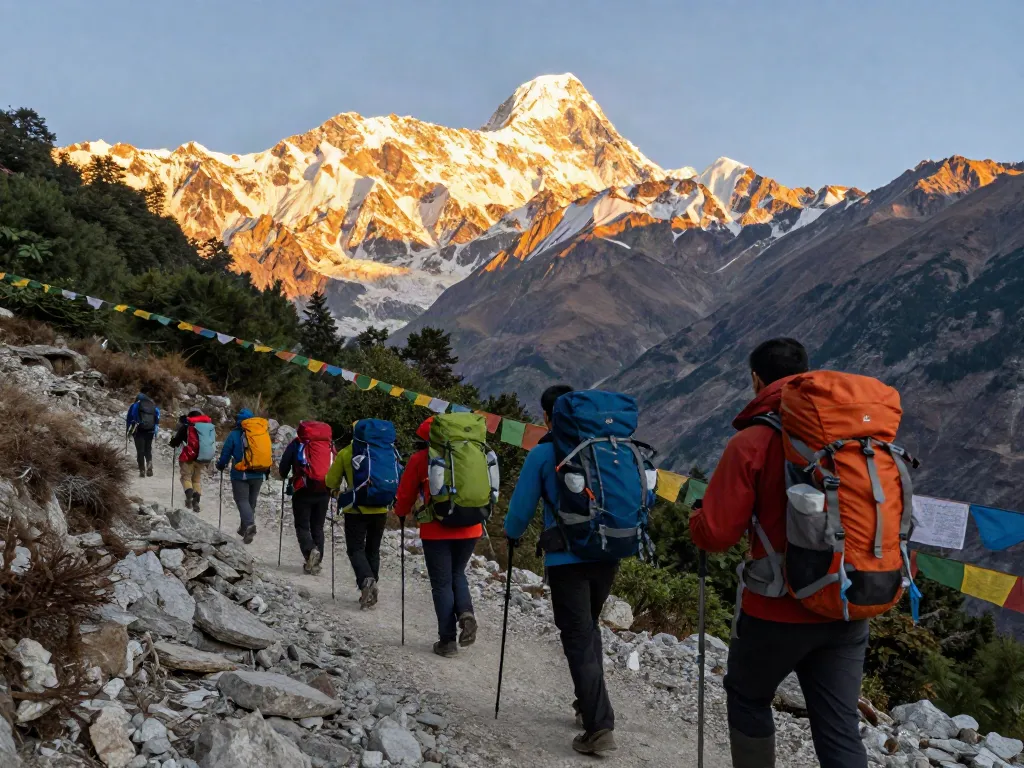
The Manaslu Circuit Trek offers a breathtaking journey through some of the most stunning landscapes of the Himalayas, taking trekkers around Mount Manaslu, the eighth-highest peak in the world. This trek, though less commercialized than the popular Annapurna and Everest circuits, is rapidly gaining attention for its unique blend of rugged beauty, rich cultural heritage, and the opportunity to experience local Tibetan communities. This comprehensive guide details the journey, highlights, preparations, costs, and essential tips for those eager to embark on this unforgettable trek to Manaslu Circuit.
What is the trek to Manaslu Circuit?
The Manaslu Circuit Trek is a 15-day journey that leads trekkers through the Gorkha region of Nepal, encompassing approximately 177 kilometers (110 miles) of diverse terrain. The trek showcases a variety of ecological zones, from subtropical forests to alpine meadows, and culminates at the Larkya La Pass (5,160 m / 16,929 ft), which offers spectacular views of the Manaslu range. The trek is classified as moderate to challenging, making it ideal for trekkers with a reasonable level of fitness.
Key highlights of the Manaslu Circuit Trek
- Access to remote villages with rich Tibetan influences
- Cultural experiences at monasteries and local festivals
- Stunning views of peaks including Manaslu, Himlung Himal, and Annapurna II
- Unique flora and fauna within the Manaslu Conservation Area
- Opportunities for side hikes to Manaslu Base Camp and Birendra Lake
Duration and distance of the trek
The entire trek covers a distance of approximately 177 kilometers and typically takes around 15 days to complete. The itinerary includes daily trekking segments averaging 5 to 8 hours, allowing for acclimatization and exploration of the breathtaking landscapes and local cultures along the way.
Preparing for the Trek
Essential gear and packing list for Manaslu Circuit
Proper preparation is key to a successful trek. Essential gear includes:
- Durable trekking boots with ankle support
- Warm, layered clothing for varying temperatures
- Weatherproof jacket and trekking poles
- Daypack for daily essentials
- Sleeping bag rated for cold temperatures
- First aid kit and personal medications
Physical fitness requirements for trekkers
The Manaslu Circuit Trek requires trekkers to be in good physical condition. Prior hiking experience is beneficial but not mandatory. A fitness regimen that includes cardiovascular activities and strength training can help prepare your body for the demands of long days spent on the trail.
Best time of year to trek to Manaslu Circuit
The best months to undertake the Manaslu Circuit Trek are typically September to November during the autumn season and March to May in the spring. These periods offer the best weather conditions with clear skies, moderate temperatures, and stunning views of the surrounding peaks. It is advisable to avoid the monsoon months due to the slippery trails and potential landslides.
Itinerary Breakdown
Daily trekking plan for a 15-day journey
Day 1: Arrival in Kathmandu – Transfer to hotel and pre-trip meeting.
Day 2: Drive from Kathmandu to Machha Khola (8-10 hours) – Overnight in a guesthouse.
Day 3: Trek from Machha Khola to Jagat (6-7 hours) – Overnight in a guesthouse.
Day 4: Trek from Jagat to Deng (6-7 hours) – Overnight in a guesthouse.
Day 5: Trek from Deng to Namrung (7-8 hours) – Overnight in a guesthouse.
Day 6: Trek from Namrung to Lho (3-4 hours) – Overnight in a guesthouse.
Day 7: Trek from Lho to Samagaon (3-4 hours) – Overnight in a guesthouse.
Day 8: Acclimatization day – Side hike to Birendra Lake and Manaslu Base Camp – Overnight in Samagaon.
Day 9: Trek from Samagaon to Samdo (3-4 hours) – Overnight in a guesthouse.
Day 10: Trek from Samdo to Dharmashala (4-5 hours) – Overnight in a guesthouse.
Day 11: Trek from Dharmashala to Bimthang via Larkya La Pass (8-9 hours) – Overnight in a guesthouse.
Day 12: Trek from Bimthang to Goa (5-6 hours) – Overnight in a guesthouse.
Day 13: Trek from Goa to Dharapani (3-4 hours) – Overnight in a guesthouse.
Day 14: Drive from Dharapani to Kathmandu (10-12 hours) – Overnight in a hotel.
Day 15: Transfer to the airport for final departure.
Acclimatization strategies during the trek
Acclimatization days are crucial for success in high-altitude treks like the Manaslu Circuit. Effective strategies include:
- Staying hydrated to help your body adjust to the altitude.
- Taking rest days to allow for recovery and acclimatization.
- Climbing high but sleeping low to facilitate acclimatization.
- Monitoring for symptoms of altitude sickness and responding appropriately.
Must-see locations along the Manaslu Circuit
Some of the key locations along the trek include:
- Manaslu Base Camp, the starting point for climbers attempting to summit Manaslu.
- Birendra Lake, known for its stunning blue waters and surrounding mountain views.
- Traditional villages such as Samagaon and Lho where trekkers can experience local culture.
- The majestic Larkya La Pass, which offers breathtaking panoramic views of the Manaslu range.
Costs and Logistics
Understanding Manaslu Circuit Trek costs
The total cost for the Manaslu Circuit Trek typically ranges from $1,500 to $2,500 per person depending on various factors such as the season, group size, and the services included in the package.
Permits needed for trekking in the region
Trekkers are required to obtain several permits to legally trek the Manaslu Circuit, including:
- Manaslu Restricted Area Permit (MRAP)
- Manaslu Conservation Area Permit (MCAP)
- Annapurna Conservation Area Permit (ACAP)
- Trekkers Information Management System (TIMS) card
Transport options to and from the trailhead
The journey to the trek's starting point at Machha Khola typically involves a scenic drive from Kathmandu via a private tourist vehicle, allowing trekkers to enjoy the picturesque landscapes en route. The return trip is similar, with the option of either a direct drive back or a more scenic route through Besisahar.
Safety and Support on the Trek
Understanding altitude sickness and prevention
Altitude sickness is one of the primary concerns for trekkers on the Manaslu Circuit due to the high elevations encountered along the route. To mitigate risks, it is essential to:
- Ascend gradually, allowing your body time to adjust to the altitude.
- Stay hydrated and maintain a balanced diet.
- Be aware of the symptoms of altitude sickness and take action if they arise.
Role of guides and porters during the trek
Having a licensed guide is not only a requirement but enhances the trekking experience by providing safety and local knowledge. Porters carry your main luggage, allowing you to trek with just a daypack and enjoy the journey without the burden of heavy loads.
Emergency protocols while trekking
Emergency protocols are in place to ensure the safety of trekkers, including access to communication tools and trained guides who can handle altitude-related health issues. In emergencies, evacuation can be arranged through local resources depending on the situation.
What to do in case of cancellation?
If you need to cancel your trek, it's essential to notify your trekking agency at least 20 days prior to your scheduled departure to avoid losing your deposit. Depending on your situation, partial refunds might be available.
Are solo treks allowed on the Manaslu Circuit?
Solo trekking on the Manaslu Circuit is not permitted due to the requirements for a licensed guide in this restricted area. It is mandatory for all trekkers to be accompanied by an informed guide to ensure safety and compliance with local regulations.