Understanding PCB Assembly Services
PCB assembly services play a pivotal role in the electronics manufacturing industry, transforming bare printed circuit boards (PCBs) into fully functional electronic devices. This process involves assembling electronic components onto these PCBs through various techniques, ensuring that electronic devices are tailored to specific operational needs. With the constant evolution of technology, the demand for high-quality PCB assembly is greater than ever, making it essential for manufacturers to stay updated on best practices and emerging trends. When exploring options, PCB assembly services can provide comprehensive insights into the assembly processes and capabilities available today.
What are PCB Assembly Services?
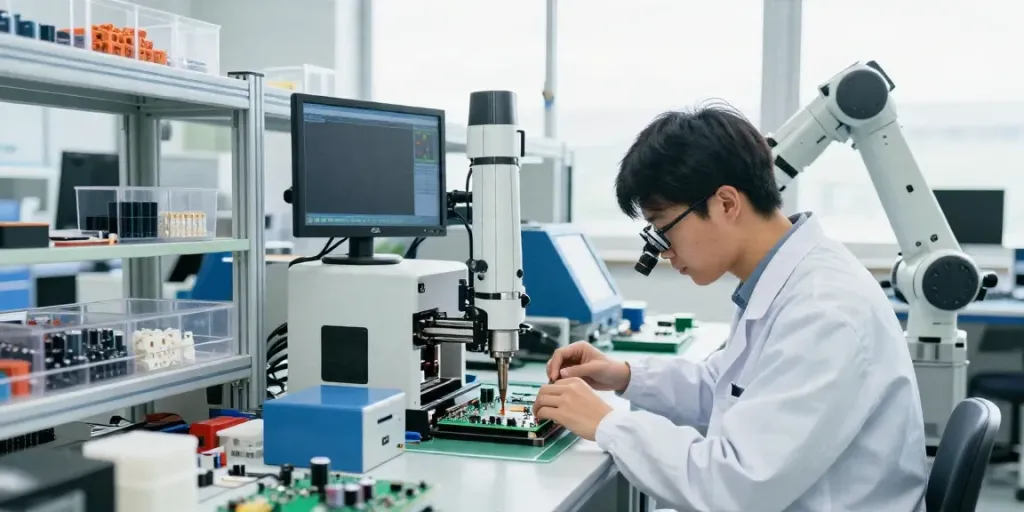
PCB assembly services encompass a wide range of activities aimed at populating PCBs with electronic components. This includes selecting the right materials, manufacturing the board itself, and the actual assembly process, which can involve manual labor or automated machinery. These services can be tailored to meet various production capacities, from prototype development to full-scale production runs.
Typically, PCB assembly can be categorized into two main types: through-hole and surface mount technology (SMT). Through-hole technology involves inserting leads of electronic components through holes in the PCB and soldering them on the other side, while SMT involves mounting components directly onto the surface of the PCB, allowing for more compact designs and higher component density.
The Importance of High-Quality PCB Assembly
High-quality PCB assembly is critical not only for the functionality of the final product but also for its longevity and reliability. Flawed assemblies can lead to operational failures, increased manufacturing costs, and reduced customer satisfaction. Therefore, rigorous quality control measures are essential throughout the PCB assembly process. ISO certifications and adherence to industry standards ensure that manufacturers maintain high-quality production practices.
Moreover, as devices become more complex, the precision of PCB assembly becomes even more crucial. Advanced features like multi-layer boards and dense component arrangements require meticulous attention to detail during assembly.
Types of PCB Assembly Processes
- Surface Mount Technology (SMT): The most widely used method today, SMT allows for efficient production and small component placement.
- Through-Hole Technology: Still used in many applications, it provides strong connections, especially for components that experience mechanical stress.
- Mixed Technology: Combining both SMT and through-hole technologies, this method leverages the strengths of each according to the specific needs of the circuit design.
- Turnkey Solutions: Full-service providers that handle everything from design to assembly and testing, offering simplified project management.
Current Trends in PCB Assembly for 2026
The PCB assembly landscape is continuously evolving, influenced by advancements in technology and shifts in consumer demand. Staying ahead of these trends is crucial for manufacturers to remain competitive. Here are some key trends shaping the industry for 2026.
Emphasis on Automation and Robotics
As production demands increase, automation and robotics are becoming integral to PCB assembly. Automated pick-and-place machines can significantly enhance assembly speed and precision, reducing labor costs and improving overall efficiency. Additionally, robotic systems can minimize human error and ensure consistent quality, making them essential for high-volume production environments.
Eco-friendly Materials in PCB Manufacturing
Environmental concerns are driving manufacturers to adopt eco-friendly materials and processes in PCB assembly. Utilizing lead-free solder, biodegradable substrates, and low-impact chemicals during manufacturing not only complies with global regulations but also appeals to a growing base of environmentally conscious consumers. This shift not only helps in reducing environmental impact but can also enhance brand reputation.
Advances in Surface Mount Technology (SMT)
SMT continues to evolve with innovations that improve component placement and soldering processes. For example, advancements in solder paste technology allow for better adhesion and reliability, which is critical for high-frequency applications. As devices shrink and become more complex, these SMT advancements are crucial in maintaining performance while maximizing space efficiency.
Choosing the Right PCB Assembly Partner
Selecting the right PCB assembly partner is vital for success in your manufacturing projects. With an array of choices available, it is essential to evaluate potential partners based on several criteria.
Evaluating Manufacturer Credentials
Manufacturers should prioritize partners with proven credentials, including industry certifications such as ISO 9001, IPC certifications, and compliance with RoHS directives. These credentials are indicators of a manufacturer’s commitment to quality and operational excellence.
Common Mistakes to Avoid When Selecting Services
- Ignoring Capacity: Ensure that your potential partner can handle your project size, whether it’s a small prototype run or large-scale production.
- Overlooking Communication: Effective communication is key. Choose a partner who is responsive and transparent throughout the assembly process.
- Neglecting References: Always ask for and check references to gauge the reliability and quality of past projects.
Cost Considerations for PCB Assembly Services
The cost of PCB assembly services can vary widely depending on several factors, including volume, complexity, and component types. Understanding these costs upfront can help manufacturers budget effectively and avoid unexpected expenses. For example, high-volume orders typically benefit from lower per-unit costs, while prototypes may incur higher fees due to lower economies of scale.
Best Practices for PCB Assembly Projects
Implementing best practices in PCB assembly can lead to more successful project outcomes and enhance overall productivity. Here are some key strategies to consider.
Streamlining the Design and Prototyping Phase
A well-structured design and prototyping phase can significantly reduce time-to-market and production costs. Utilizing design for manufacturability (DFM) principles ensures that the PCB design is optimized for assembly, leading to fewer errors and faster production cycles.
Quality Control Measures in PCB Assembly
Establishing robust quality control procedures helps to identify and rectify defects before they escalate into larger issues. Implementing automated inspection systems, such as Automated Optical Inspection (AOI) and X-ray inspection, can enhance defect detection and ensure that only high-quality boards proceed to the next stages of production.
Communicating with Your Assembly Partner
Effective communication with your assembly partner is crucial for project success. Regular updates and feedback sessions can help align expectations and address potential challenges early in the process. Utilize collaborative tools and platforms that promote transparency and information sharing.
Future Innovations in PCB Assembly
As technology progresses, innovation in PCB assembly is expected to accelerate. Here are some potential future developments that could shape the industry.
Emerging Technologies Shaping PCB Assembly
Technologies such as 3D printing and augmented reality are making inroads into PCB assembly processes. 3D printing allows for rapid prototyping of connectors and components, which can speed up the design process. Meanwhile, augmented reality can aid assembly personnel by overlaying digital information onto physical boards, enhancing accuracy and efficiency.
Impact of AI and Machine Learning on Manufacturing
The integration of artificial intelligence (AI) and machine learning into PCB assembly processes can lead to significant advancements in predictive maintenance, quality assurance, and production optimization. By analyzing historical data, AI systems can forecast potential equipment failures and recommend preemptive actions, thus minimizing downtime and enhancing productivity.
Predictions for the PCB Assembly Industry in 2026 and Beyond
Looking ahead, the PCB assembly industry is poised for rapid transformation driven by globalization, technological advancements, and shifting consumer demands. With the increasing complexity of electronic devices, manufacturers will need to adopt innovative approaches to remain competitive. The rise of smart technologies and IoT devices will continue to fuel demand for advanced PCB assembly services, requiring a proactive approach to embracing change and innovation.
How much does it cost to assemble a PCB?
The cost of assembling a PCB can vary significantly based on factors such as volume, complexity, and materials used. On average, the costs can range from a few cents to several dollars per unit. Engaging with your assembly partner early in the design phase can help in estimating costs accurately and optimizing your budget.
What are the benefits of turnkey PCB assembly services?
Turnkey PCB assembly services offer numerous benefits, including reduced lead times, streamlined project management, and potentially lower costs. By providing a comprehensive solution that encompasses design, prototyping, manufacturing, and testing, these services simplify the overall supply chain and enhance efficiency.
What does a PCB assembly service do?
PCB assembly services specialize in the process of assembling various electronic components onto printed circuit boards. These services include PCB manufacturing, parts sourcing, component placement, soldering, and quality assurance testing to ensure the reliability of the final product.
Why is precision crucial in PCB assembly?
Precision in PCB assembly is vital due to the increasing complexity of electronic devices and the miniaturization of components. Any errors in placement or soldering can lead to device failures, reduced performance, or safety hazards. Ensuring high precision enhances device reliability and customer satisfaction.
What trends are shaping the future of PCB assembly?
Key trends influencing the future of PCB assembly include the rise of automation, eco-friendly manufacturing practices, advances in SMT, and the integration of AI and machine learning technologies. These trends are expected to enhance efficiency, reduce costs, and improve overall product reliability.