Understanding the Concept of Age Perception
Age perception is a complex topic that delves into how individuals and society interpret physical age based on visual cues, particularly facial features. Many people often wonder how old do I look when compared to their actual ages. This curiosity can stem from a desire to understand social dynamics better, boost self-esteem, or simply for fun. In this article, we’ll explore the nuances of age perception, the technology behind age estimation, and the implications of understanding how old one appears.
What Does It Mean to Look Your Age?
Looking your age often refers to how closely your physical appearance aligns with your chronological age. Various factors, including genetics, lifestyle choices, and environmental influences, contribute to this perception. For instance, individuals who maintain a healthy lifestyle, manage stress effectively, and protect their skin from sun damage may appear younger than their actual age, while those who do not may appear older. Understanding this concept can lead to healthier aging strategies.
How Age Perception Influences Social Interactions
Age perception can significantly impact social interactions and opportunities. People often form first impressions based on how old someone appears, which can influence everything from job prospects to dating opportunities. For example, younger-looking individuals might be perceived as more energetic and tech-savvy, while older-looking individuals may be viewed as more experienced and trustworthy. These perceptions can create both advantages and disadvantages in various social contexts.
Factors Affecting Facial Age Estimation
Facial age estimation is influenced by a multitude of factors, including:
- Skin Quality: The presence of wrinkles, elasticity, and overall skin health plays a crucial role in age perception.
- Facial Structure: Specific features, such as jawline definition and cheek fullness, can suggest youth or age.
- Hair Color and Texture: Graying hair or hair loss is often associated with aging, impacting perceived age significantly.
- Health Conditions: Chronic illnesses can manifest in ways that may accelerate the aging appearance of the face.
How Age Estimation Tools Work
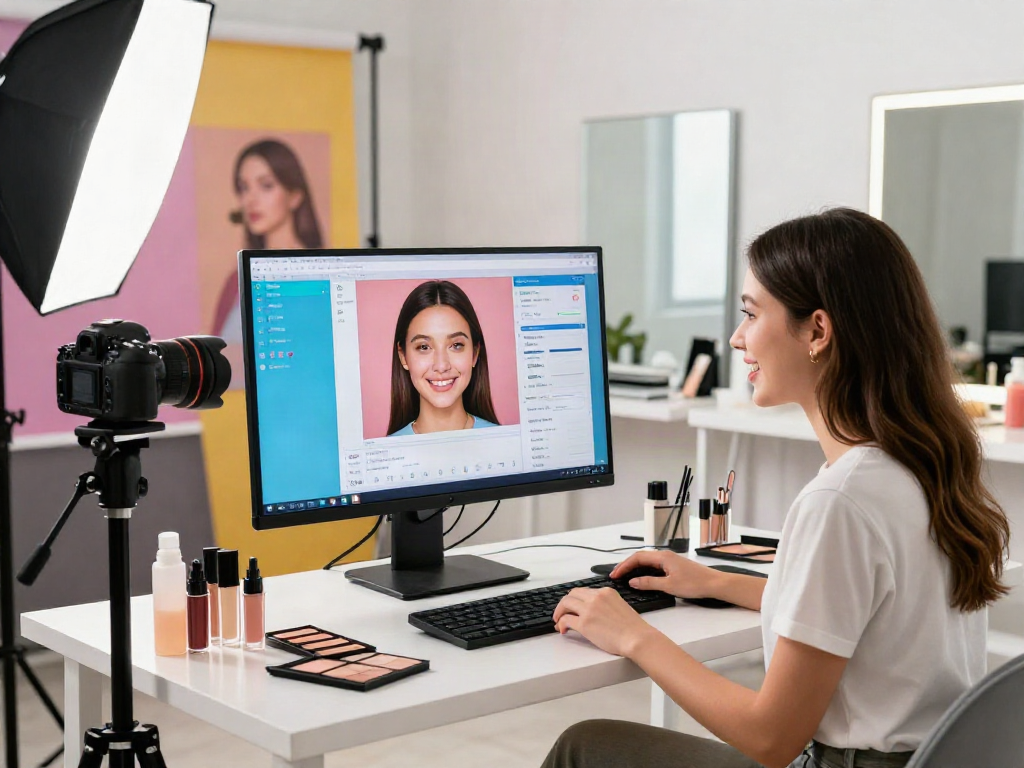
With technological advancements, various applications and tools have emerged that leverage artificial intelligence (AI) to estimate age based on facial features. These tools analyze thousands of data points to provide a more accurate measurement of perceived age.
AI Technology Behind Age Assessment
AI algorithms, particularly those utilizing deep learning, are trained on large datasets containing images of individuals at various ages. By examining facial landmarks and features, these systems can predict how old an individual appears with surprising accuracy. The underlying technology evolves rapidly, making improvements that enhance the precision of age estimation tools.
Comparing Different Age Estimation Applications
Numerous applications now offer age estimation services. Each tool may employ different methodologies, but the most reputable applications are those that continually update their algorithms based on user feedback and scientific research. Some popular applications include FaceAge.ai, Fotor, and NOVOS, each providing unique features and user experiences. It's important to consider the reviews and the transparency of the data used by these websites to ensure reliability.
User Experience and Accuracy of Results
When it comes to user experience, simplicity and accuracy are key. Most of these tools require users to upload a clear photo and will provide immediate feedback. However, not all tools are created equal; thus, checking the accuracy of results across various platforms can enhance your understanding of your perceived age. Reviews often highlight the importance of using high-quality images for better results.
Benefits of Knowing How Old You Look
Understanding how old you appear can offer numerous benefits, ranging from boosting self-esteem to providing insights into health and lifestyle choices.
Boosting Confidence and Self-Image
Many individuals find that learning they look younger than their actual age can boost their confidence and self-image. This revelation can encourage them to maintain or improve their appearance through skincare and healthy living without feeling the pressures that societal age norms impose.
Understanding Health and Lifestyle Implications
Your perceived age can also serve as a reflection of your overall health. For example, if facial age estimation tools indicate that you appear older, it may signal the need to reevaluate lifestyle choices such as diet, exercise, and stress management. This self-awareness can guide you to make healthier decisions that benefit both your appearance and well-being.
Using Feedback for Skincare Routines
Age estimation tools can provide useful insights for skincare. By understanding how your lifestyle affects your appearance, you can tailor your skincare routine to address specific issues, such as premature aging signs or dullness. Feedback from these tools can help you invest in the right products and treatments that align with your skincare goals.
Common Misconceptions About Aging
Several myths surround the topic of aging, often leading to a skewed perception of what it means to age gracefully.
Debunking Myths Around Facial Aging
One common myth is that wrinkles and sagging skin are the only indicators of aging. In reality, factors such as skin texture, pigmentation, and facial volume also play critical roles. Understanding these aspects can help individuals embrace their aging process without fearing visible signs of age.
Impact of Lifestyle Choices on Age Appearance
Another misconception is that genetics are the sole determinants of how we age. While genetics do play a role, lifestyle choices such as diet, smoking, sun exposure, and stress management significantly affect how we look as we age. Making informed lifestyle changes can lead to a more youthful appearance.
Age vs. Wisdom: Rethinking Beauty Standards
It is essential to recognize that age does not equal wisdom and beauty. As societal beauty standards evolve, the narrative around aging is shifting. Many now advocate for celebrating age as a badge of experience rather than a reason for negativity, creating a more inclusive dialogue about beauty across all ages.
Future Trends in Age Estimation Technology
As we move into 2026, the landscape of age estimation technologies is poised for transformative growth, integrating more advanced features and broader accessibility.
Predictions for AI Advancements in 2026
Experts predict that AI will become even more sophisticated in interpreting facial features to estimate age. Improvements in machine learning could lead to personalized algorithms tailored to individual users. These advancements may enhance accuracy, allowing users to receive more tailored insights into aging.
Integrating Age Estimation into Everyday Life
In the future, age estimation technology may be integrated into everyday applications, from social media filters to virtual interactions. This integration could foster a culture of self-reflection and awareness regarding personal health and appearance.
Ethical Considerations of Age Analysis
As with any technological advancement, ethical considerations come into play. Issues around privacy, data security, and the potential for misuse of age estimation results must be addressed to ensure that users feel safe and informed while using these tools.
What Are the Best Practices for Age Estimation Apps?
When using age estimation applications, look for those that prioritize user privacy and transparency about how data is used. Reliable apps should provide clear information on the algorithms they utilize and the data they require, ensuring an informed choice for the user.
Can Age Estimation Help Improve Well-Being?
Understanding how old you look could prompt individuals to take proactive steps toward enhancing their well-being. It encourages a focus on health, self-care, and lifestyle improvements, leading to overall better health outcomes.
How to Choose the Right Tools for Accurate Results?
Selecting the right age estimation tool hinges on user reviews, privacy policies, and the technology's underlying methodology. Look for apps with robust backing and positive feedback regarding their accuracy.
What Should You Expect from Age Estimation Feedback?
When receiving feedback from these tools, expect constructive insights rather than hard judgments. Many tools offer numerical estimates along with tips or suggestions for maintaining a youthful appearance, encouraging users to embrace aging positively.
Is Age Estimation Data Reliable and Safe?
While age estimation tools can provide fun and insightful feedback, it’s essential to remember that they are not infallible. Always approach the results with an open mind, and consider them one aspect of your overall self-awareness journey.