Understanding Attractiveness: The Science Behind AI Assessments
In today's visually driven world, the concept of attractiveness has largely transitioned into a realm defined by data and technology. The ability to test attractiveness through artificial intelligence (AI) presents a fascinating intersection of science and personal perception. But what exactly constitutes our understanding of beauty? This article delves deep into the mechanics of attractiveness testing, grounding the discussion in scientific insights and emerging trends in AI technology.
What is an Attractiveness Test?
An attractiveness test typically refers to a tool or method that evaluates one's physical appearance based on predefined criteria. Most often, these tests utilize AI algorithms that analyze facial features, symmetry, and other aesthetic elements. They yield results that range from subjective rankings to objective scores, helping individuals gauge their perceived beauty in the context of societal standards.
The Role of AI in Analyzing Beauty
Artificial intelligence has influenced countless industries, and beauty is no exception. Attractiveness tests powered by AI utilize machine learning algorithms trained on vast datasets of facial images categorized according to attractiveness levels. This technology can measure key aspects such as facial symmetry, skin clarity, and adherence to the golden ratio, allowing for a comprehensive analysis of one's appearance.
Factors Influencing Attractiveness Scores
Several factors impact the scores derived from attractiveness tests. These include:
- Facial Symmetry: Studies suggest that faces that are more symmetrical are generally perceived as more attractive.
- Proportions: Adherence to classic beauty ratios, such as the golden ratio, plays an important role in attractiveness assessments.
- Skin Quality: Clear, smooth skin significantly enhances attractiveness scores.
- Emotion and Expression: Positive expressions can greatly improve perceived attractiveness, as they convey warmth and approachability.
How to Use Attractiveness Tests Effectively
While AI-based attractiveness tests can provide intriguing insights, they should be approached with caution and an open mind. Understanding how to utilize these tests effectively can lead to better outcomes and more accurate assessments.
Step-by-Step Guide to Taking an Attractiveness Test
- Choose a Reliable Test: Select a reputable AI attractiveness test that clearly outlines its methodology.
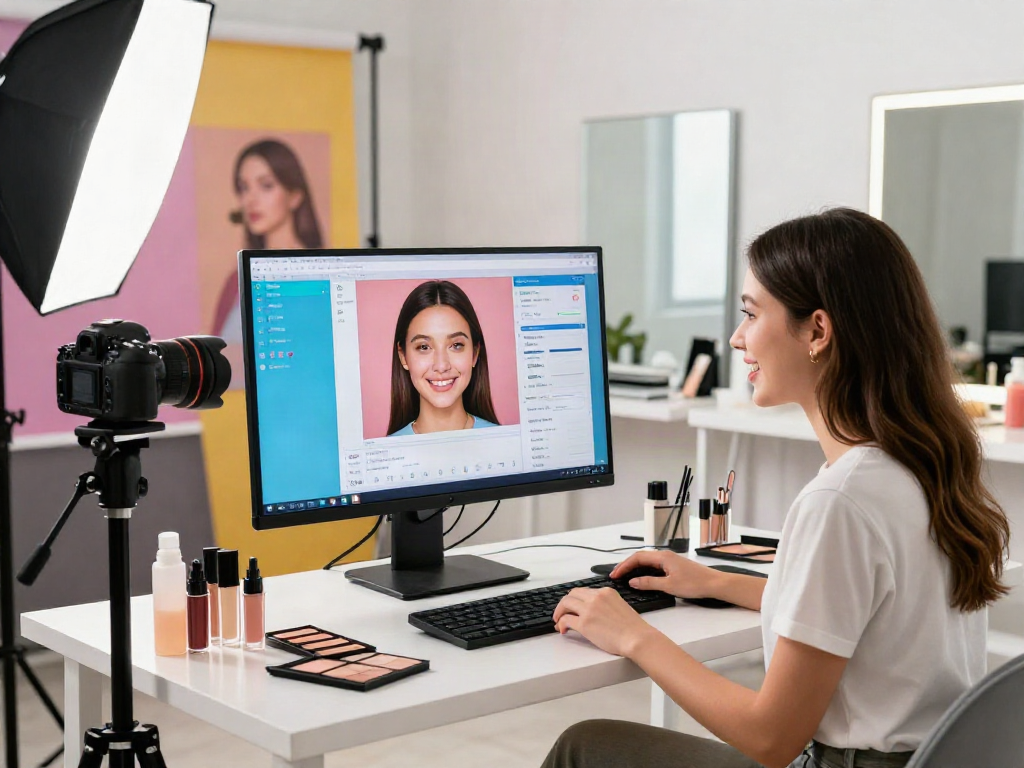
- Follow Upload Guidelines: Most tests will require you to upload a clear frontal photo. Ensure that you meet the specified requirements.
- Analyze Your Score: Upon receiving your attractiveness score, take the time to review the detailed breakdown of the assessment.
Preparing Your Photo for Accurate Analysis
Achieving an accurate attractiveness score hinges largely on the quality of the photo you submit. Here are some tips to consider when preparing your image:
- Use natural lighting to avoid shadows.
- Ensure your face is clearly visible and unobstructed by hair or accessories.
- Maintain a neutral expression as overly exaggerated emotions can skew results.
Common Mistakes to Avoid During Testing
To maximize the benefits of attractiveness tests, avoid these common pitfalls:
- Over-Retouching: Submitting heavily edited images can lead to misleading results.
- Ignoring Guidelines: Always adhere to the specific guidelines provided by the test to ensure accuracy.
- Taking Results Too Seriously: Remember, these tests are subjective and should be taken with a grain of salt.
Interpreting Your Attractiveness Score
Receiving your attractiveness score can be both exciting and daunting. Understanding how to interpret these scores is crucial for personal development.
Understanding Score Ranges and What They Mean
Attractiveness tests often produce scores on a scale of 1 to 10 or 1 to 100. Generally, scores above 7 indicate above-average attractiveness, while scores below this might imply room for improvement. However, it's important to recognize that these scores are not definitive judgments of worth or value.
How to Use Your Score for Personal Growth
Rather than focusing solely on the number, use your score as a tool for personal growth. For instance, if your score highlights certain features for improvement, consider investing in skincare or grooming routines to enhance your overall appearance. Additionally, using the feedback constructively can boost confidence and foster a healthier self-image.
Addressing Misconceptions About Attractiveness Ratings
One of the most critical aspects of understanding attractiveness tests is tackling common misconceptions. Many believe that these scores reflect one's absolute value or potential in life, which is far from the truth. Beauty standards fluctuate greatly across cultures and time periods and are not the sole determinants of an individual's worth.
The Future of Attractiveness Testing in 2026 and Beyond
As technology advances, attractiveness testing is poised to evolve. Here are some of the anticipated trends and changes that may shape the future of this growing field.
Emerging Trends in AI Beauty Technology
New developments in AI are likely to enhance the accuracy and usability of attractiveness assessments. Future tests may incorporate augmented reality (AR) features, allowing users to visualize potential changes to their appearance based on their scores. Additionally, with biases being addressed in AI models, tests may increasingly reflect a broader and more inclusive range of beauty standards.
Potential Impacts on Social Media and Self-Image
As more individuals use attractiveness tests, social media platforms may begin to integrate these evaluations into user profiles, leading to a new form of digital identity. While this can foster greater acceptance of diverse beauty standards, it may also exacerbate issues such as body image concerns and competition for 'likes' based on attractiveness.
What to Expect from Future Tests and Evaluations
In the coming years, we can expect more sophisticated and accurate algorithms that can evaluate beauty across various contexts, such as lighting, angles, and even personality traits. Enhanced analytics could pave the way for nuanced feedback, offering users insights that go beyond numerical scores and help them embrace their unique features.
Frequently Asked Questions About Attractiveness Tests
How can I test my attractiveness?
You can test your attractiveness by using various online platforms that employ AI technology to analyze your facial features. Simply upload a clear photo, and the system will provide an assessment based on its algorithms.
Is there an accurate attractiveness test available?
While many AI attractiveness tests claim high accuracy, the results may vary based on the underlying algorithms and datasets. It's recommended to use well-reviewed tests and consider them as a fun, yet subjective evaluation.
What factors contribute to a high attractiveness score?
High attractiveness scores are often influenced by facial symmetry, skin quality, and proportionate features, as well as the presence of an appealing expression or emotion.
Are attractiveness tests only for fun?
While many people take these tests for entertainment, they can also serve as a self-assessment tool that encourages personal growth and improvement in grooming or cosmetic enhancements.
How do beauty standards vary across cultures?
Beauty standards differ greatly based on cultural norms, media representation, and historical context. It’s essential to recognize and appreciate this diversity while engaging with attractiveness assessments.