Understanding Water Reclaim Systems
Water reclaim systems are becoming increasingly vital in our efforts to conserve water resources and promote sustainability. As industries and municipalities face the challenges of dwindling freshwater supplies and growing environmental regulations, these innovative systems offer a practical solution to recycle and reuse wastewater. From capturing rainwater to treating agricultural runoff, water reclaim systems can support a range of applications, minimizing the impact on our natural resources. When exploring options, Water Reclaim System solutions provide comprehensive insights into effective waste management strategies.
What is a Water Reclaim System?
A water reclaim system typically consists of a series of technologies and processes aimed at converting wastewater into reusable water. This can include domestic sewage, greywater from household activities, or industrial effluent. The goal is to treat this water to a quality that meets specific needs, such as irrigation, industrial processes, or even potable applications, depending on local regulations.
Benefits of Using Water Reclaim Systems
- Conservation of Resources: Reclaimed water reduces the demand for freshwater resources, which is crucial in areas facing water scarcity.
- Cost Savings: Utilizing reclaimed water can significantly lower water bills and reduce costs associated with wastewater disposal.
- Environmental Impact: Water reclamation minimizes discharge into natural water bodies, helping to maintain ecosystem health.
- Regulatory Compliance: Implementing a water reclaim system can assist organizations in meeting strict water quality and sustainability regulations.
Components of Effective Water Reclaim Systems
Effective water reclaim systems consist of various components, including:
- Pre-treatment Units: These remove large solids and other contaminants to prevent damage to downstream equipment.
- Treatment Technologies: Advanced filtration and disinfection methods, such as Membrane Bioreactors (MBR), Ultrafiltration (UF), and Reverse Osmosis (RO) are employed to purify water.
- Storage Facilities: Treated water is stored in specialized tanks or containers for future use, ensuring reliability and availability.
- Distribution Systems: Infrastructure is needed to transport reclaimed water to end-users safely.
Key Technologies in Water Reclaim Systems
Membrane Bioreactor (MBR) Explained
Membrane bioreactors combine biological treatment processes with membrane filtration to produce high-quality effluent. By utilizing both biological microorganisms and ultrafiltration membranes, MBR technology ensures effective removal of pathogens and suspended solids. This technology is particularly advantageous for municipal wastewater treatment plants, allowing for smaller footprint designs and higher efficiency.
Ultrafiltration (UF) Processes
Ultrafiltration is a membrane filtration process that removes particulates and microorganisms from water. It operates at higher pressure than microfiltration but lower than reverse osmosis. UF is often used as a pre-treatment step in water reclamation systems, thus paving the way for additional purification processes.
Reverse Osmosis (RO) Technology Overview
Reverse osmosis is one of the most effective water treatment technologies for removing dissolved solids, including salts and various contaminants. By applying pressure to force water through a semi-permeable membrane, RO systems create high-quality water suitable for a range of applications, from irrigation to drinking purposes. This technology is increasingly important in regions facing severe water scarcity.
Applications of Water Reclaim Systems
Municipal Water Reuse Solutions
Municipalities worldwide are implementing water reclaim systems to address sewage treatment and water quality issues. Reclaimed water is typically used for landscape irrigation, restroom flushing, and even industrial processes, contributing to urban sustainability efforts.
Industrial Applications for Water Reclamation
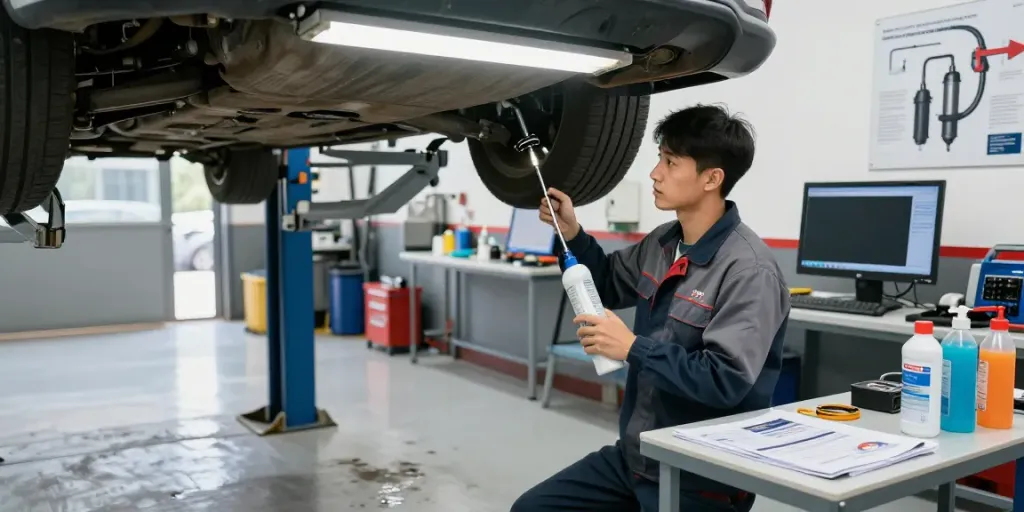
Industries such as manufacturing, food processing, and power generation benefit significantly from water reclaim systems. By treating and reusing water, companies can reduce operational costs and minimize their environmental footprint. For example, a car wash can employ a water reclamation system to recycle wash water, ensuring compliance with environmental regulations while saving money on water usage.
Decentralized Water Reuse Systems
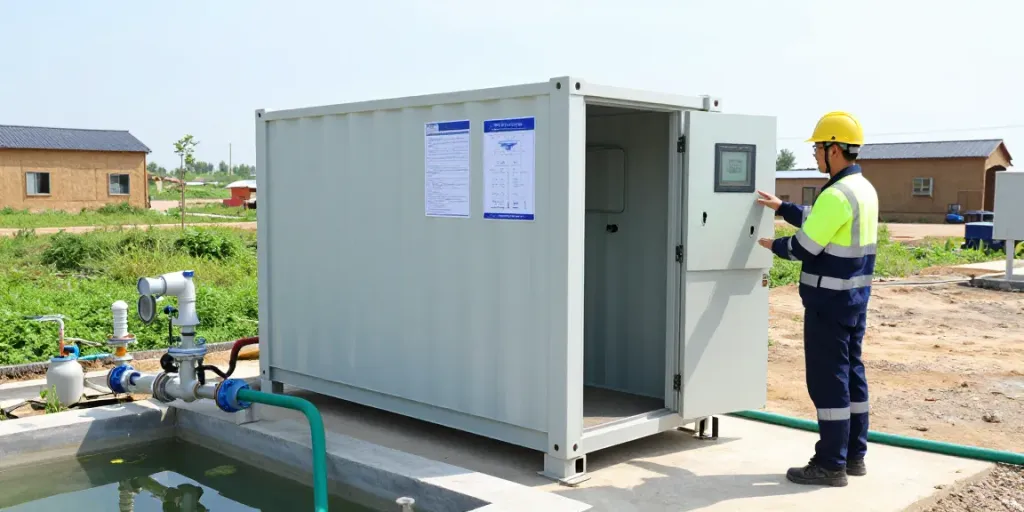
Decentralized water reclaim solutions are particularly beneficial for remote locations that lack access to centralized water treatment facilities. Modular systems, such as those offered by QILEE, can be deployed quickly to address the local water needs efficiently. These solutions provide flexibility and adaptability for various applications, from temporary construction sites to permanent installations in rural areas.
Implementation Strategies for Water Reclaim Systems
Identifying Your Water Reclamation Needs
Before implementing a water reclaim system, it's essential to analyze the specific needs of your organization or community. Factors such as available space, local regulations, and intended use for reclaimed water should guide your system's design and technology selection.
Steps to Implementing a Water Reclaim Solution
- Assessment: Assess water sources and treatment requirements.
- Design: Collaborate with engineers to design a system tailored to specific needs.
- Installation: Ensure proper installation by qualified professionals to meet operational standards.
- Monitoring: Continuously monitor water quality and system performance to ensure compliance and efficiency.
Measuring Success: Performance Metrics
To evaluate the effectiveness of your water reclaim system, consider tracking key performance indicators (KPIs) such as:
- Treated water quality against regulatory standards
- Volume of water reclaimed versus water sourced from municipal supplies
- Operational costs relative to savings on water purchases
The Future of Water Reclaim Systems
Emerging Trends in Water Reclamation for 2026
As global water scarcity intensifies, the demand for innovative water reclaim technologies is expected to grow. Upcoming trends include integrating artificial intelligence (AI) for process optimization, the use of renewable energy sources, and advancements in decentralized treatment solutions that cater to urban and rural populations alike.
Innovations in Sustainable Water Solutions
New technologies, such as advanced membrane materials and hybrid treatment processes, are paving the way for more efficient water reclamation systems. Innovations in sensor technology and data analytics will facilitate real-time monitoring and quality assurance, further enhancing system performance and sustainability.
Preparing for Regulations and Compliance
Organizations must remain proactive in understanding evolving environmental regulations surrounding water reuse. Compliance will drive the adoption of more sophisticated water reclaim systems and technologies, positioning them favorably in markets that prioritize sustainable practices.
What is a water reclaim system?
A water reclaim system processes recycled wastewater into a reusable form, significantly reducing freshwater dependency.
Is reclaimed water cheaper than regular water?
Generally, reclaimed water offers cost savings compared to traditional water sources, especially with rising water tariffs.
How much does a water recycling system cost?
The cost varies based on system size, technology used, and installation factors, with initial investments often offset by operational savings.
How to build a water reclamation system?
Building a water reclamation system involves assessing needs, designing the system, selecting the right technologies, and ensuring compliance with regulations.
What are the best practices for using water reclaim systems?
Best practices include regular maintenance, investing in high-quality technologies, and monitoring systems to ensure optimal performance and compliance.