Understanding CNC Machining in Aerospace
CNC machining has revolutionized the manufacturing processes within the aerospace industry, offering precision, efficiency, and consistency. At Honscn, we specialize in providing professional CNC machining services tailored for aerospace applications since 2003. As one of the leading aerospace cnc parts manufacturers, we understand the critical requirements for developing aerospace prototypes and production parts, which require a high degree of accuracy and reliability.
What is CNC Machining?
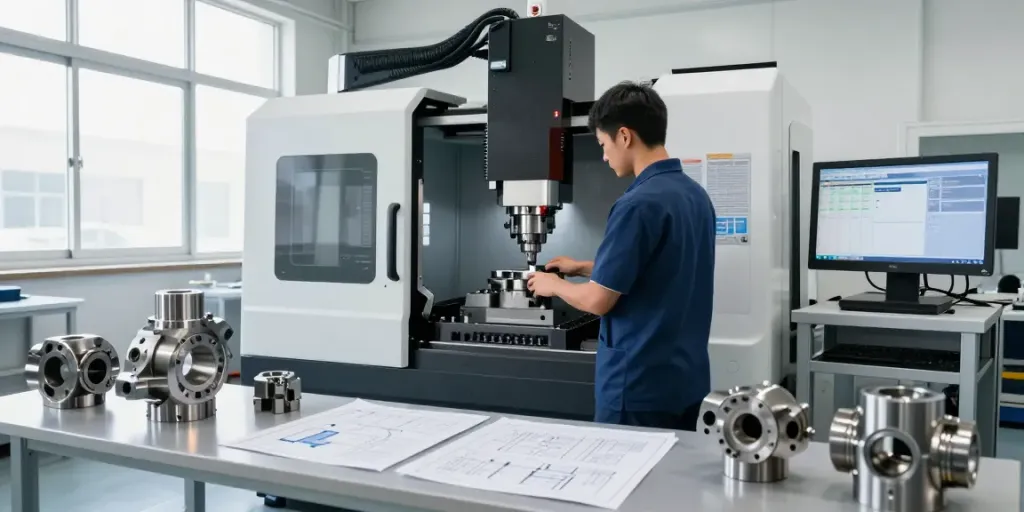
CNC (Computer Numerical Control) machining is a manufacturing process that utilizes computer software to control machine tools, enabling the production of complex parts with remarkable precision. This technology allows engineers and manufacturers to create components with tight tolerances that are essential in aerospace applications, where precision is paramount to ensure the safety and performance of aircraft.
Evolution of CNC Machining Technologies
The evolution of CNC machining technologies has been marked by advancements in automation and software. From the early days of simple numerical control systems, the field has progressed to sophisticated multi-axis machining capabilities. Innovations such as 5-axis machining have allowed manufacturers to produce more intricate designs that were once impossible. This technological evolution has made CNC machining an indispensable tool in the aerospace industry, enabling the production of lightweight, durable components that meet stringent aerospace standards.
Key Advantages of CNC Machining in Aerospace Manufacturing
- Precision and Accuracy: CNC machines can operate with tolerances as tight as ±0.005 mm, which is crucial for critical aerospace components like landing gear and engine mounts.
- Efficiency: Automation allows for faster production times with less downtime compared to traditional machining methods.
- Complex Designs: CNC machining can create intricate geometries that enhance the component performance while minimizing weight.
- Scalability: From rapid prototyping to mass production, CNC machining can adapt to varying production scales without compromising on quality or lead times.
Choosing the Right Aerospace CNC Parts Manufacturer
When selecting a CNC machining partner for aerospace components, it’s imperative to assess their capabilities thoroughly. The aerospace sector demands high-quality standards, and ensuring your supplier can meet these is critical for maintaining compliance and safety.
Identifying Top Leading Aerospace CNC Parts Manufacturers
Identifying leading aerospace CNC parts manufacturers involves researching their experience, certifications, and previous projects. Look for companies that have a proven track record in aerospace with relevant certifications such as AS9100 or ISO 9001, which indicate adherence to stringent quality management systems.
Evaluating Manufacturing Capabilities and Certifications
Manufacturers should have the capacity to handle various materials and complex machining processes, as aerospace components often require diversity in manufacturing methods. In addition, certifications are vital; they not only show the company’s commitment to quality but also assure compliance with international standards.
Importance of Partnerships in Aerospace Supply Chains
Successful aerospace production relies heavily on robust partnerships within the supply chain. Collaborating with reliable suppliers can enhance production timelines and ensure access to advanced materials and technologies. Building relationships with manufacturers who specialize in aerospace can also provide competitive advantages by pooling resources and sharing expertise.
Materials Commonly Used in Aerospace CNC Machining
In aerospace manufacturing, the selection of materials is crucial as they directly affect performance, weight, and safety. Knowing the properties and applications of various materials enables manufacturers to make informed decisions.
Popular Metal Materials: Characteristics and Applications
- Aluminum Alloys: Lightweight and corrosion-resistant, aluminum alloys are extensively used in aircraft structures and components.
- Titanium Alloys: Known for high strength-to-weight ratios, titanium is ideal for high-stress components like turbine blades.
- Stainless Steel: Offers excellent strength and corrosion resistance, often used for fasteners and hydraulic components.
- Nickel Alloys: Suitable for high-temperature applications, such as in jet engines, where thermal stability is crucial.
Common Plastic Materials: Benefits in Aerospace Parts
- Polycarbonate (PC): Strong and impact-resistant, it is used in cockpit windows and safety covers.
- Polyamide (PA): Also known as Nylon, it offers excellent wear resistance and is used for various aerospace applications.
- Polyether Ether Ketone (PEEK): High-performance thermoplastic with exceptional thermal and chemical resistance, ideal for structural applications.
- Acrylonitrile Butadiene Styrene (ABS): This material is known for its strength and impact resistance, often used in aesthetic components.
Innovative Material Trends for 2026
As we move towards 2026, several innovative materials are emerging in the aerospace sector. Composite materials, such as carbon fiber reinforced polymers, are gaining traction due to their lightweight properties and strength. Furthermore, the use of additive manufacturing (3D printing) is expanding, allowing for the creation of complex geometries that traditional manufacturing methods cannot achieve. These innovations not only improve performance but also reduce manufacturing costs and waste.
Best Practices for CNC Machining in Aerospace Production
Implementing best practices in CNC machining not only enhances efficiency but also ensures the highest quality in aerospace components.
Steps for Effective Rapid Prototyping
- Initial Design Evaluation: Collaborate with design engineers to identify potential issues early in the design phase.
- Material Selection: Choose materials that allow for quick prototyping while meeting the performance requirements.
- Utilize Advanced Software: Employ CAD/CAM software to streamline the transition from design to production.
- Rapid Iterations: Quickly refine prototypes based on testing feedback to expedite the development process.
Quality Control Measures for Aerospace Parts
Quality control is critical in aerospace manufacturing, where failures can have catastrophic consequences. Implementing rigorous inspection protocols, such as non-destructive testing and precision measurements, ensures that parts meet specifications before they are deployed.
Adapting to Advanced Manufacturing Techniques
Staying updated with advancements in manufacturing techniques, such as automation and smart manufacturing, is vital. Techniques like real-time data monitoring can significantly improve the efficiency and quality of CNC machining processes, providing manufacturers with the ability to make data-driven decisions.
Future Trends in Aerospace CNC Machining
The aerospace industry is on the brink of transformation, driven by technology and innovation. Understanding these trends is essential for manufacturers looking to remain competitive.
Impact of Automation and Robotics on Production
Automation and robotics are set to reshape aerospace manufacturing. With robotic systems handling tedious tasks, CNC machines can focus on precision fabrication, leading to reduced lead times and increased production efficiency. Furthermore, automation minimizes human error, boosting overall reliability in component production.
Emerging Technologies in Aerospace Manufacturing
Emerging technologies such as artificial intelligence (AI) and machine learning are making their way into aerospace manufacturing, enhancing predictive maintenance and optimizing production workflows. These technologies enable manufacturers to anticipate equipment failures before they occur, reducing downtime and maintenance costs.
Predictions for the Aerospace Industry in 2026 and Beyond
Looking ahead to 2026, the aerospace industry will likely see a greater emphasis on sustainability and eco-friendly manufacturing processes. With increasing regulatory pressures and consumer demands for greener solutions, aerospace manufacturers will need to innovate in material choices and production methods to comply with environmental standards.
What are the top aerospace CNC manufacturers?
The leading aerospace CNC manufacturers are recognized for their extensive expertise in producing high-quality parts at competitive prices. Companies such as Boeing, Lockheed Martin, and Northrop Grumman exemplify the high standards and cutting-edge technologies prevalent in the industry.
Why is CNC machining crucial for aerospace engineering?
CNC machining is crucial for aerospace engineering due to its unparalleled precision and ability to manufacture complex geometries. It enables the production of components that are critical for safety and performance, ensuring that aircraft operate efficiently and reliably.
How do advanced materials influence aerospace part manufacturing?
Advanced materials play a significant role in aerospace part manufacturing by enhancing performance characteristics such as weight reduction, strength, and durability. The use of materials like titanium and composites contributes to safer and more efficient aircraft designs.
What quality certifications are important for aerospace parts manufacturers?
Quality certifications such as AS9100, ISO 9001, and NADCAP are vital for aerospace parts manufacturers. These certifications ensure compliance with international quality management standards, establishing trust among clients and stakeholders.
How can one choose the best aerospace CNC parts manufacturer?
Choosing the best aerospace CNC parts manufacturer involves evaluating their experience, capabilities, and certifications. Conducting thorough research, including reviewing case studies, client testimonials, and quality assurance measures, can help businesses make informed decisions.